
Articles
 General
How to Stay Independent and Healthy in Your 60s, 70s and Beyond
Long-term independence in later life isn't primarily about avoiding any single disease — it's about protecting a specific set of functional capacities that research consistently links to living well and autonomously for longer.
Read more General
Sarcopenia: Why We Lose Muscle as We Age
Muscle loss with age isn't inevitable at the rate most people assume — sarcopenia is a specific, measurable condition with identifiable mechanisms, and it responds meaningfully to the right kind of intervention.
Read more General
Memory Loss With Age: What's Normal and What's Not
Forgetting a name occasionally is a normal part of aging; forgetting how to get home from a familiar place isn't — the practical distinction between the two matters more than any single forgotten detail.
Read more General
Healthy Aging: Medical Tests and Screenings After 50
Turning 50 shifts the medical screening calculus in specific, well-defined ways — several conditions become common enough, and detectable early enough, that dedicated screening genuinely changes outcomes.
Read more General
Sleep Apnea: Warning Signs Beyond Snoring
Snoring gets most of the attention, but sleep apnea's more telling signs often show up during the day — persistent fatigue, morning headaches and difficulty concentrating despite what feels like a full night's sleep.
Read more General
Dehydration: Signs, Causes and How Much Water You Need
The "eight glasses a day" rule is a rough approximation rather than a scientifically precise target, and the more reliable signs of dehydration have less to do with counting glasses and more to do with the body's own feedback signals.
Read more General
How to Build a Healthy Immune System
The immune system isn't something you can dramatically "boost" overnight, but several well-supported, evidence-based habits genuinely strengthen how effectively it functions over time.
Read more General
Understanding Your Blood Test Results
A blood test report full of abbreviations and reference ranges can look intimidating, but the core logic behind the most commonly ordered panels is more approachable than it first appears.
Read more General
Health Checkups by Age: What Tests Do You Actually Need?
Not every test offered at a routine checkup is equally useful at every age — understanding the difference between evidence-based screening and low-value testing helps make the most of each visit.
Read more General
Concussion: What Happens to the Brain After a Head Injury
A concussion causes no visible damage on a standard brain scan, yet it disrupts brain function in measurable ways — understanding that mismatch is key to taking the injury as seriously as it deserves.
Read more General
Peripheral Neuropathy: Causes, Symptoms and Treatment
Peripheral neuropathy — nerve damage outside the brain and spinal cord — has dozens of possible causes, but its telltale symptoms and a systematic evaluation usually narrow things down considerably.
Read more General
Epilepsy: What Causes Seizures and How They're Treated
Epilepsy involves a specific pattern of recurring, unprovoked seizures caused by abnormal electrical activity in the brain — and most people with the condition achieve good seizure control with the right medication.
Read more General
Bloating: Common Causes and When It Could Signal a Problem
Bloating is one of the most common digestive complaints, usually tied to diet, gas, or gut motility — but persistent or new bloating alongside other symptoms deserves a closer look rather than automatic dismissal.
Read more General
Celiac Disease: Symptoms You Shouldn't Ignore
Celiac disease is an autoimmune condition triggered by gluten, and its symptoms extend well beyond digestive complaints — many people are diagnosed only after years of unexplained fatigue, anemia or bone loss.
Read more General
Ulcerative Colitis vs. Crohn's Disease: What's the Difference?
Both are chronic inflammatory bowel diseases with overlapping symptoms, but they differ in exactly where and how deeply inflammation occurs — a distinction that shapes diagnosis, complications and treatment choice.
Read more General
Constipation: Common Causes and When It Needs Medical Attention
Occasional constipation is common and usually self-limiting, but persistent changes in bowel habits can signal anything from a simple dietary gap to a condition that genuinely needs medical evaluation.
Read more General
Grief and Mental Health: When to Seek Support
Grief is a natural, non-linear response to loss, but it can also tip into a more complicated pattern that benefits from professional support — knowing the difference matters more than following any fixed timeline for "moving on."
Read more General
Social Anxiety: Symptoms and Ways to Manage It
Social anxiety disorder goes well beyond shyness — it involves an intense, persistent fear of judgment that can shape major life decisions, and it responds to specific, well-studied treatment approaches once properly identified.
Read more General
How Stress Affects the Body
Stress isn't just a mental state — it's a cascade of measurable hormonal and physiological changes that touch the heart, gut, immune system and metabolism, and chronic activation of that cascade carries real long-term health consequences.
Read more General
ADHD in Adults: Signs, Diagnosis and Treatment
ADHD doesn't disappear after childhood — it simply changes shape, often presenting as chronic disorganization, emotional dysregulation and internal restlessness rather than the hyperactivity most people associate with the condition.
Read more General
Panic Attacks: What They Feel Like and What to Do
A panic attack has a predictable shape — a sharp rise, a peak, and a decline — and knowing that shape in advance, along with a few concrete in-the-moment steps, can make an episode considerably more survivable.
Read more General
How to Recognize Burnout and What Actually Helps
Burnout isn't ordinary tiredness that a weekend off can fix — it's a specific, recognized syndrome with three defined components, and the recovery strategies that work depend on getting the diagnosis right.
Read more General
Depression: When Sadness Becomes a Medical Condition
Sadness is a normal, temporary emotional response to loss or disappointment. Clinical depression is something structurally different — a persistent shift in brain chemistry, energy and function that doesn't resolve just because circumstances improve.
Read more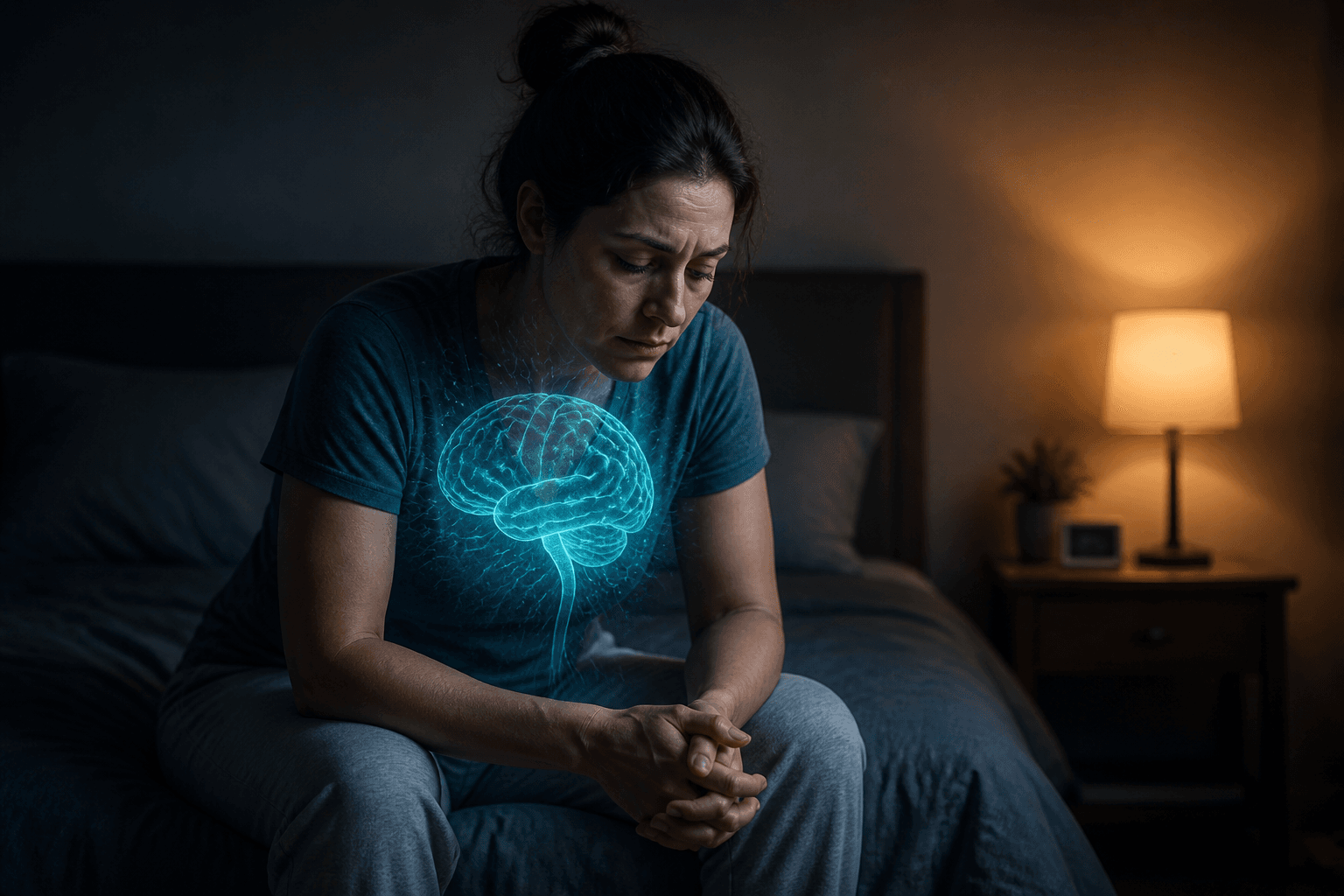 General
Anxiety Disorders: Symptoms, Causes and Treatment Options
Anxiety disorders are among the most common mental health conditions worldwide, yet they cover several distinct patterns with different triggers, timelines and treatment approaches — not one single experience.
Read more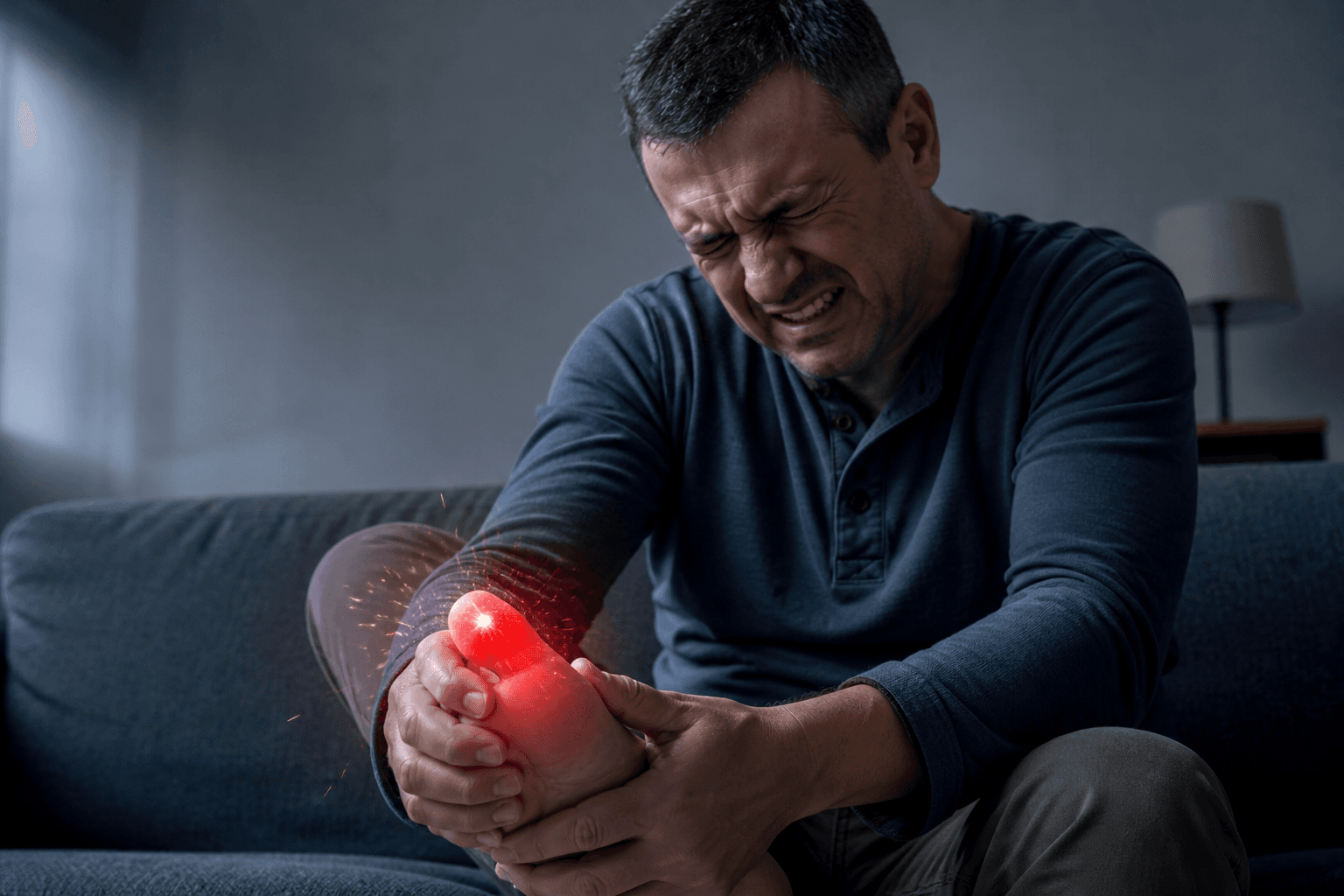 General
Gout Medications: Allopurinol vs Colchicine
Allopurinol and colchicine are both used for gout, but they solve different problems — one lowers uric acid long-term, the other calms an active flare.
Read more General
Thyroid Medication Interactions
Thyroid medication can interact with everyday supplements, other prescriptions, and even certain lab tests in ways that quietly shift results without anyone changing the dose.
Read more General
Hyperthyroidism Treatments
Hyperthyroidism can be managed with medication, radioactive iodine, or surgery — three approaches with genuinely different timelines, trade-offs, and long-term implications.
Read more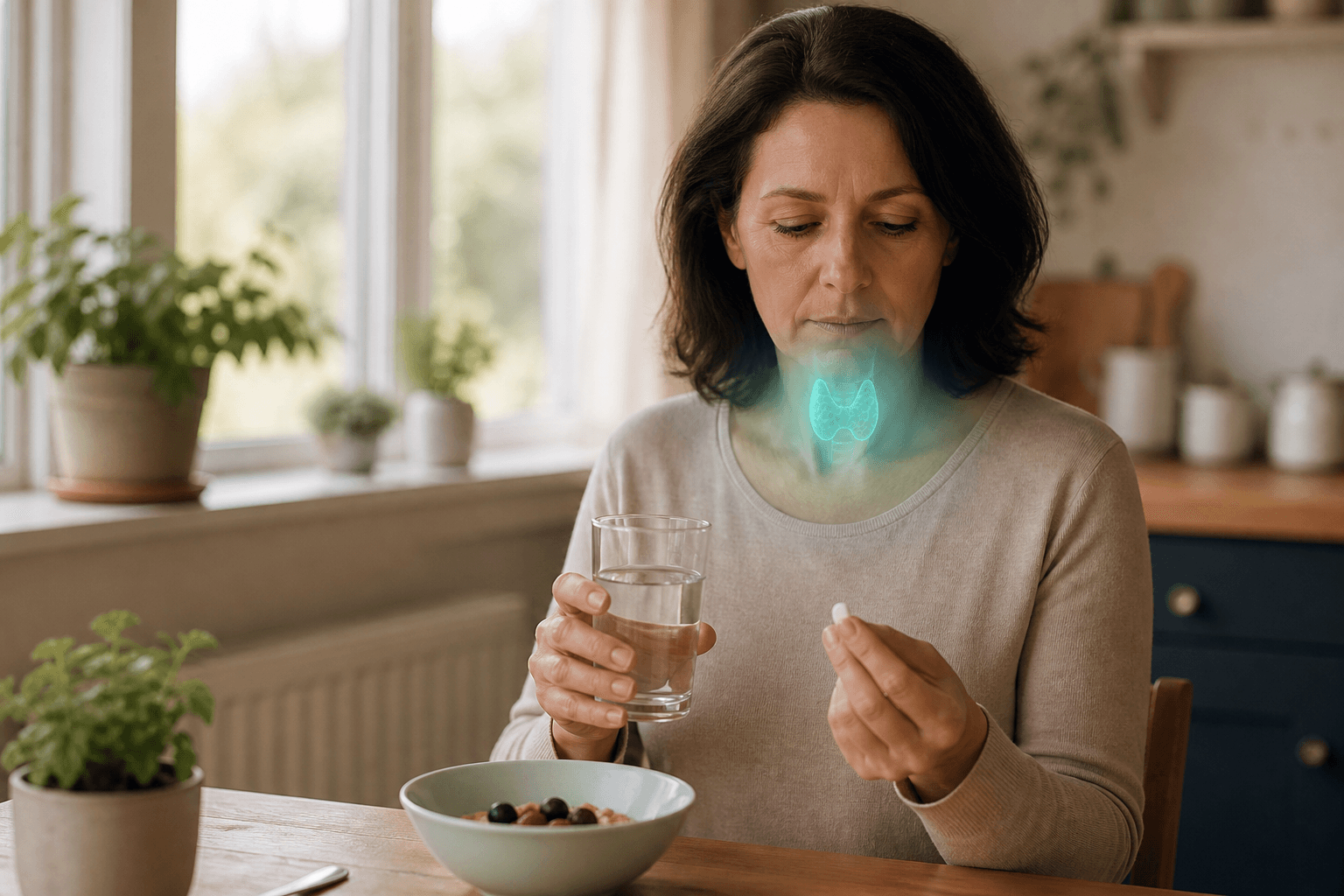 General
Levothyroxine: How to Take It Correctly
Levothyroxine only works as intended if it's absorbed properly — small habits around timing, food, and other medications can meaningfully change how much reaches the bloodstream.
Read more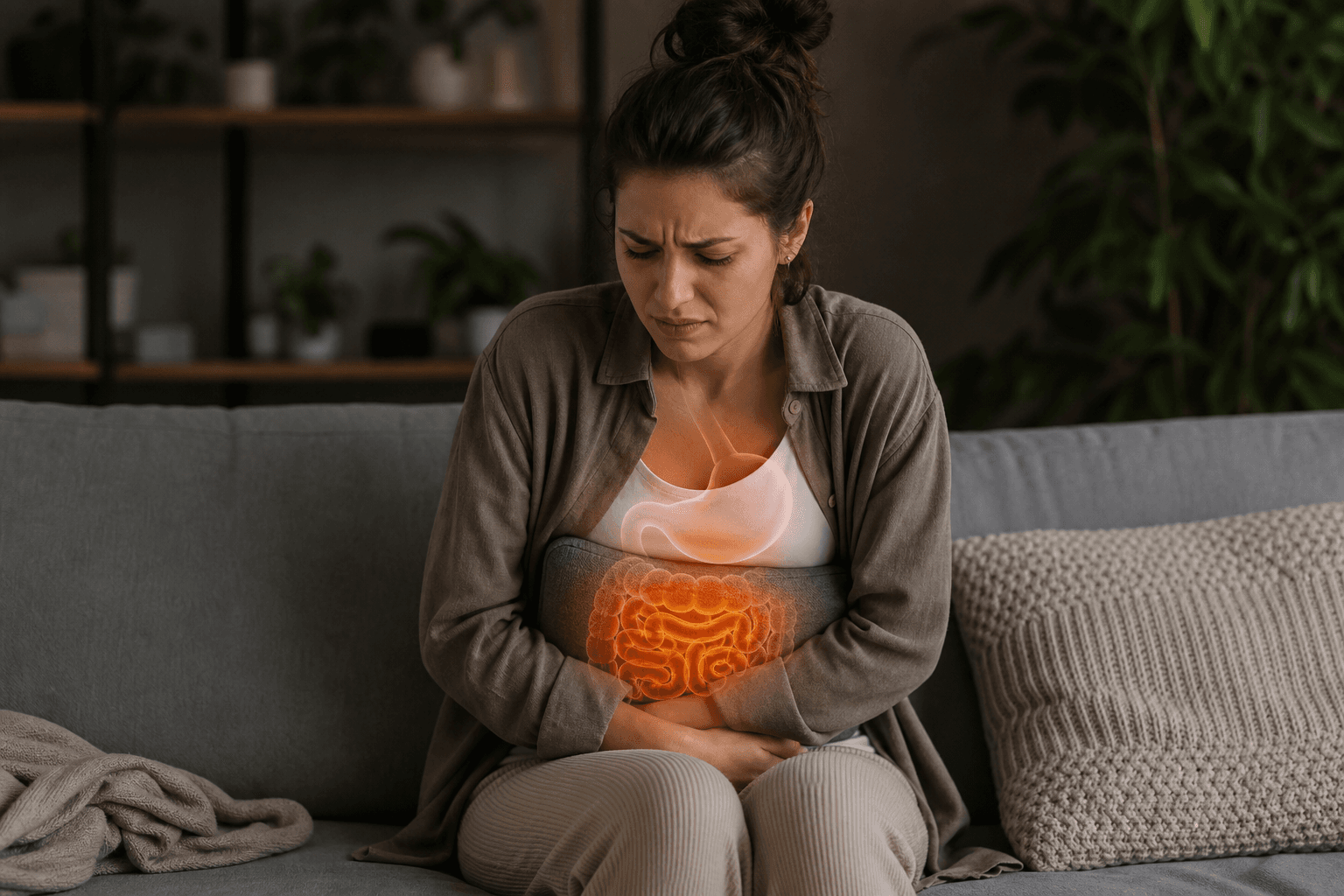 General
IBS Medications: What's Available and How They Work
There's no single medication for irritable bowel syndrome, because IBS itself isn't a single problem — treatment is generally matched to which symptom pattern predominates.
Read more General
Gut Microbiome Explained
The trillions of microorganisms living in the digestive tract do far more than aid digestion — they interact with the immune system, metabolism, and even signaling pathways connected to the brain.
Read more General
Probiotics: Do They Really Work?
Probiotic marketing often implies a single product benefits nearly everyone, but research suggests the actual picture is far more specific to the strain, the dose and the condition involved.
Read more General
Fever in Children: When to Worry
A high number on the thermometer often causes more alarm than the fever itself deserves, since the actual severity of a child's illness depends far more on behavior than on temperature alone.
Read more General
Food Allergies in Kids: Recognizing and Managing Them
Childhood food allergies have become markedly more common in recent decades, and knowing how to tell a true allergy from an intolerance can change how a family responds.
Read more General
Fall Prevention for Older Adults
A fall is rarely caused by a single factor — it's usually the result of several small, individually manageable risks lining up at the same moment.
Read more General
Dementia vs Alzheimer's Disease: What's the Difference
Alzheimer's and dementia are often used as if they mean the same thing, but one is a specific disease and the other is a broad category — a distinction that shapes both diagnosis and outlook.
Read more General
Microplastics and Human Health: What the Evidence Shows
Microplastics have now been detected in human blood, lungs, and even placental tissue, but researchers are still working out what that presence actually means for long-term health.
Read more General
Blue Light and Sleep: Separating Fact From Myth
Blue light from screens does affect melatonin, but the size of that effect — and how much it actually matters for sleep — is often exaggerated compared to what the evidence shows.
Read more General
Sleep Hygiene: Building Habits for Better Rest
Most sleep advice focuses on the hour before bed, but the habits that most reliably improve sleep quality actually start working the moment you wake up.
Read more General
Anxiety vs Panic Attacks: How to Tell the Difference
An anxiety spike and a panic attack can feel similar in the moment, but they build, peak, and resolve on completely different timelines — and that distinction shapes how each is best managed.
Read more General
IBS vs IBD: Understanding the Difference
IBS and IBD share overlapping symptoms and similar-sounding names, but one is a functional gut disorder and the other a chronic inflammatory disease — a difference with real implications for diagnosis and long-term risk.
Read more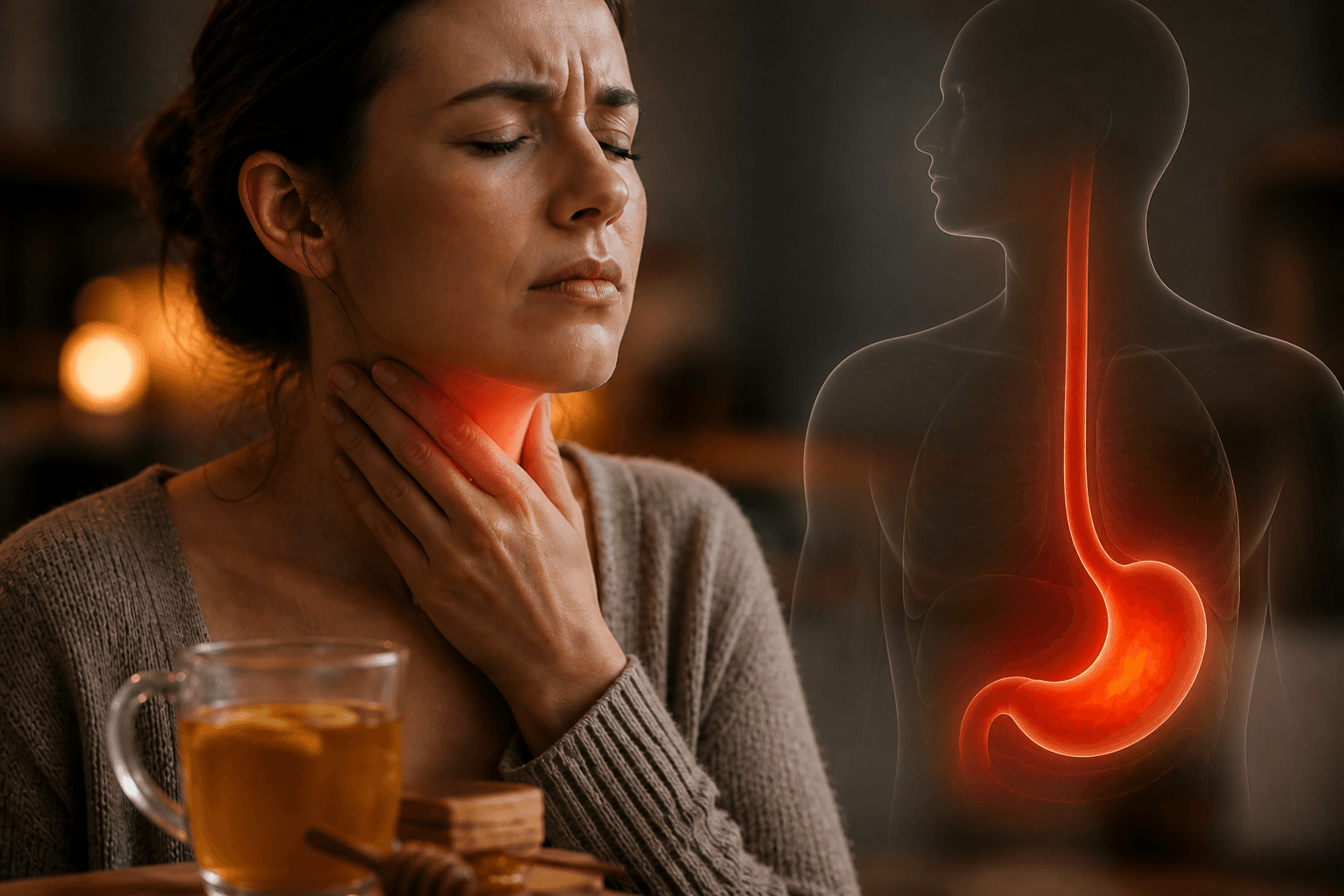 General
Acid Reflux (GERD): Causes and Treatment
Occasional heartburn and chronic GERD are not the same condition — understanding what separates them explains why some cases need more than diet changes and over-the-counter antacids.
Read more General
Painkillers Explained: How the Main Types Actually Differ
Paracetamol and NSAIDs are often used interchangeably in daily life, but they work through genuinely different mechanisms — which is exactly why one sometimes helps a type of pain the other doesn't touch.
Read more General
Why You're Struggling to Sleep: Common Causes and What Actually Helps
The evidence-based first-line treatment for chronic insomnia isn't medication — most clinical guidelines recommend a structured behavioral approach first. Here's what's actually behind sleep struggles, and why trying harder to sleep can backfire.
Read more General
Managing Chronic Pain: Why a Multimodal Approach Works Better Than Medication Alone
A good day often leads people with chronic pain to do too much, triggering a flare that forces days of rest — which sets up the next "good day" to repeat the same cycle. Breaking that pattern matters more than most single treatments.
Read more General
Dementia Risk: Why Lifestyle Matters More Than Most People Think
Two people can have a very similar amount of brain pathology and experience dramatically different symptoms — a concept called cognitive reserve. Understanding it reframes which lifestyle factors actually matter, and one of the biggest is rarely discussed.
Read more General
The Preventive Health Screenings Worth Doing at Every Age
Screening guidelines aren't organized by age arbitrarily — each decade shifts which conditions are statistically worth actively looking for. Here's a practical, age-by-age breakdown of what's generally worth checking, and why timing matters.
Read more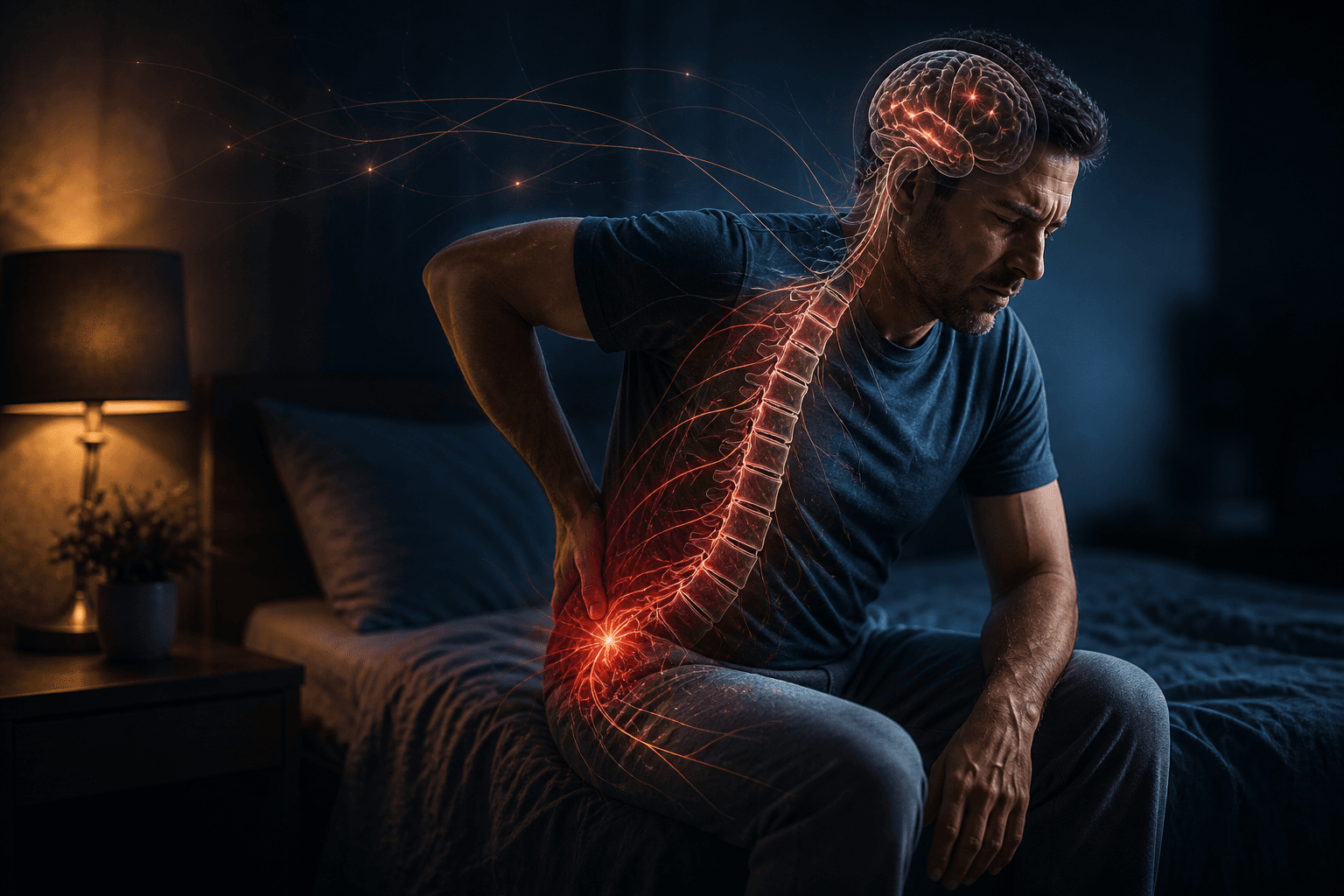 General
Why Pain Sometimes Outlasts the Injury That Caused It
Long after tissue has fully healed, some people still feel pain — sometimes triggered by a light touch that shouldn't hurt at all. The nervous system itself can change in ways that keep pain going independent of the original injury.
Read more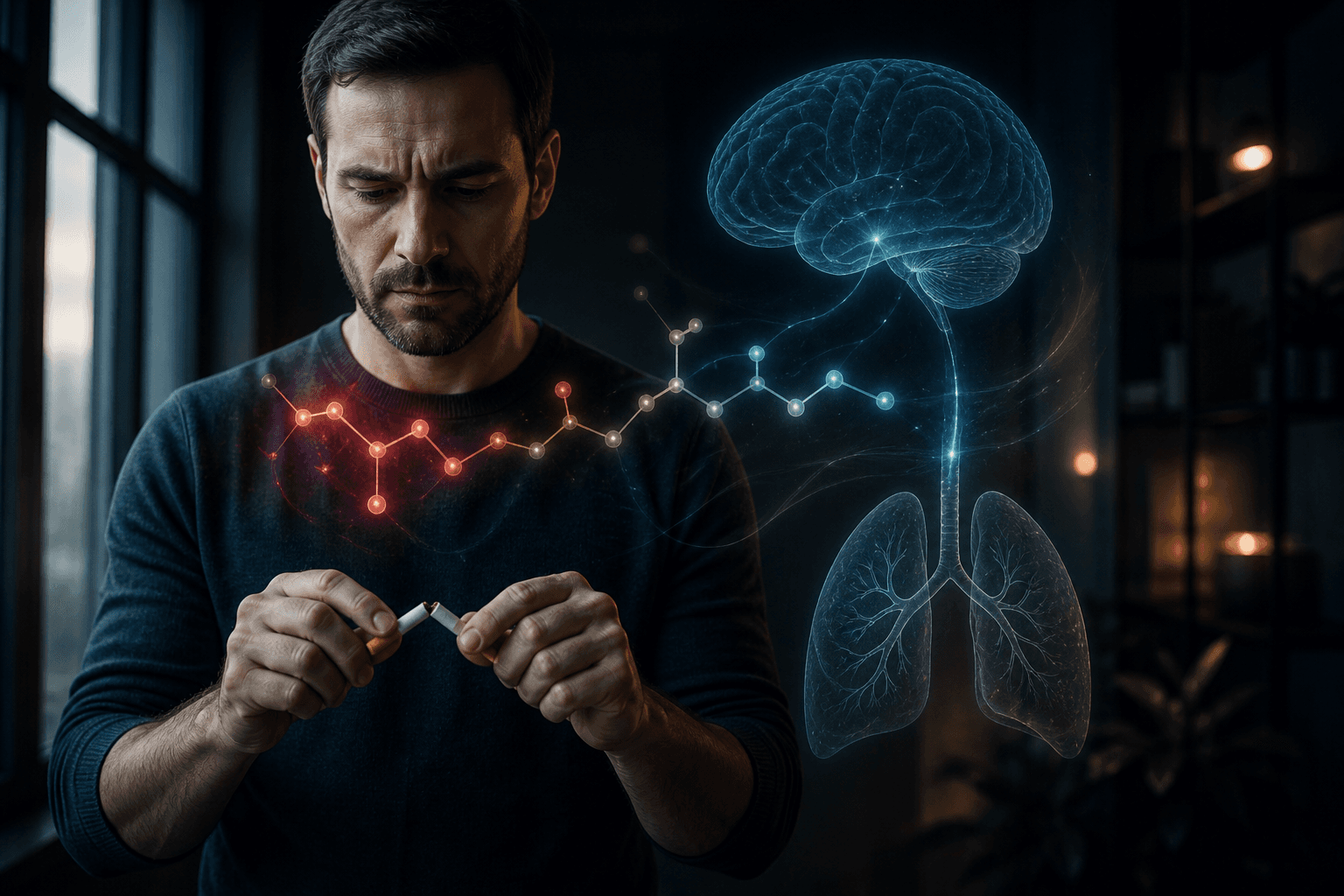 General
Quitting Smoking: What Happens in Your Brain and Body Along the Way
Nicotine cravings have a specific receptor-level explanation, and the withdrawal timeline is more predictable than it feels in the moment. Here's what's actually happening, and why combining tools consistently outperforms willpower alone.
Read more General
Vitamin D Deficiency: Signs, Risks & How to Fix It
Vitamin D behaves more like a hormone than a typical vitamin, which is part of why deficiency is so common — and why "just take more" isn't always the safe or complete answer. Here's what's actually going on.
Read more