
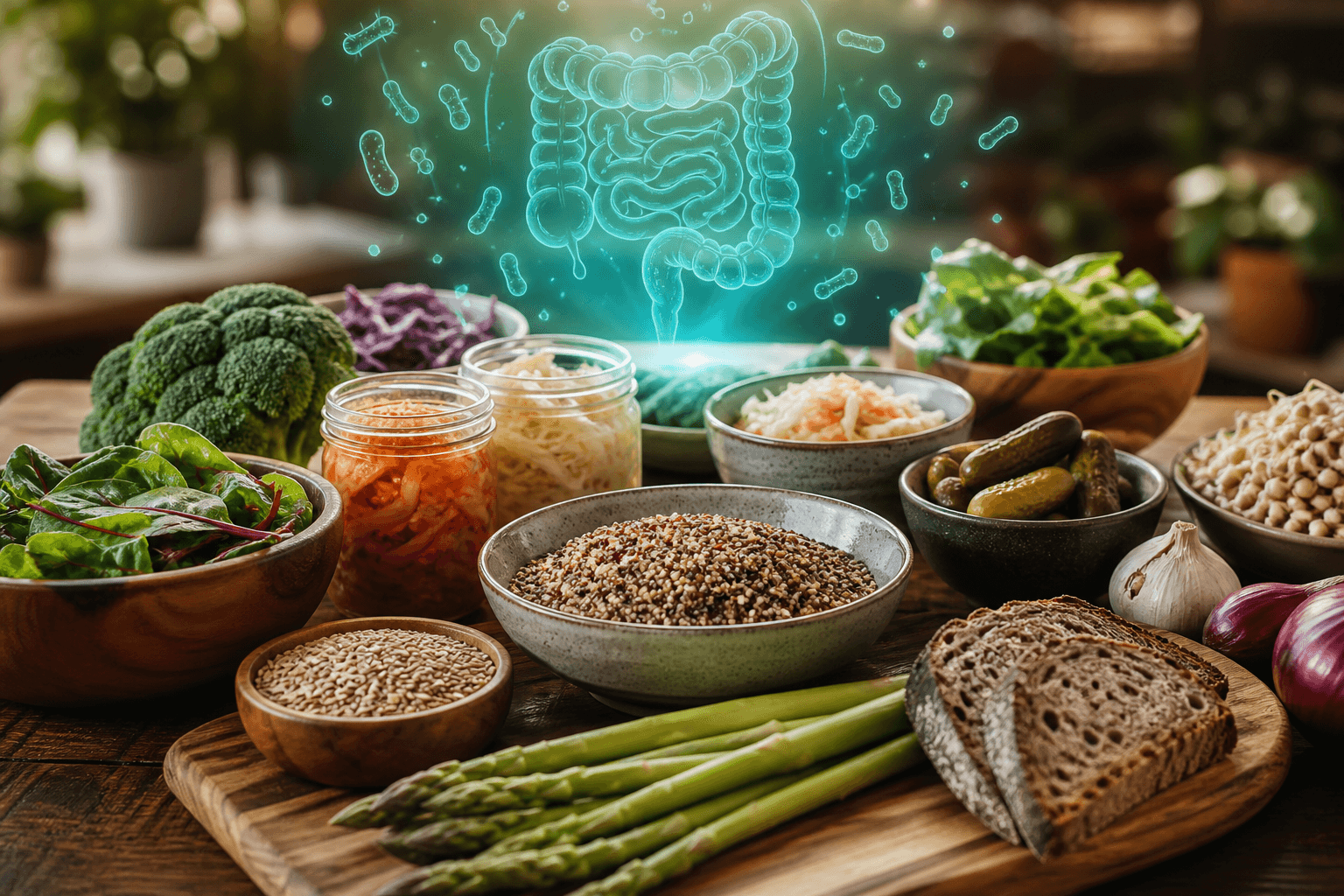
The trillions of microorganisms living in the digestive tract do far more than aid digestion — they interact with the immune system, metabolism, and even signaling pathways connected to the brain.
The human gut is home to trillions of microorganisms — bacteria, viruses, fungi, and other microbes — collectively known as the gut microbiome, outnumbering the body's own human cells by some estimates. Once considered largely irrelevant beyond aiding digestion, this microbial community is now recognized as an active participant in immune regulation, metabolism, and several other systems once assumed to operate independently of what's happening in the intestines. Understanding the basics of how this relationship works helps make sense of why gut health has become such a prominent topic in medical research, while also clarifying where the science remains genuinely uncertain.
What Actually Makes Up the Microbiome
The gut microbiome isn't a single organism but an entire ecosystem, made up of hundreds of different bacterial species alone, along with viruses and fungi, all interacting with each other and with the host body. Composition varies considerably between individuals, shaped by factors including genetics, mode of birth delivery, early feeding patterns, diet, geography, and medication history, particularly antibiotic use. This individual variability is part of why microbiome research is more complicated than studying a single organ system — there isn't one "normal" microbiome composition that applies universally, which makes drawing firm conclusions from any single study more difficult than it might first appear.
How Gut Bacteria Interact With the Immune System
A substantial portion of the body's immune tissue is located in and around the gut, in close proximity to the microbiome, and this isn't a coincidence — gut bacteria play an active role in training and regulating immune responses from early life onward. Beneficial bacteria are thought to help maintain the integrity of the gut lining, compete with potentially harmful microorganisms for resources, and produce compounds that influence immune cell behavior throughout the body, not just locally in the intestines. Disruption to this balance, sometimes called dysbiosis, has been associated in research with several inflammatory and immune-related conditions, though establishing which changes are a cause versus a consequence of disease remains an active and often difficult research question.
The Gut-Brain Connection: Genuinely Real, Still Being Mapped
One of the more actively researched areas involves communication between the gut and the brain, sometimes called the gut-brain axis, which operates through several pathways including the vagus nerve, immune signaling, and metabolic byproducts produced by gut bacteria. Some gut bacteria produce or influence levels of neurotransmitters and related compounds, including a notable proportion of the body's serotonin, which is produced in the gut rather than the brain. This has generated substantial research interest in connections between gut health and mood, though it's important to note that most of the more dramatic findings linking specific bacterial changes to mental health conditions come from animal studies, and translating them to confirmed human treatments remains a work in progress rather than an established clinical practice.
Diet's Central Role in Shaping Microbial Composition
Diet is one of the more powerful and directly modifiable influences on microbiome composition, and research consistently shows that dietary fiber — found in vegetables, fruits, legumes, and whole grains — is particularly important, since it serves as the primary fuel source for many beneficial bacteria. These bacteria ferment fiber into short-chain fatty acids, compounds thought to support gut lining health and exert broader anti-inflammatory effects elsewhere in the body. Diets low in fiber and high in processed foods have been associated in research with reduced microbial diversity, a change some researchers believe may have broader health implications, though this remains an active area of ongoing study rather than a fully settled conclusion.
What Antibiotics Do to This Ecosystem
Antibiotics are necessarily somewhat indiscriminate, targeting harmful bacteria causing an infection but also affecting beneficial bacterial populations in the process. A single course can measurably reduce microbial diversity, and while most people's microbiome composition recovers substantially within weeks to months, some research suggests certain changes can persist longer, particularly after repeated antibiotic courses. This isn't a reason to avoid necessary antibiotic treatment, but it is part of the broader rationale behind more judicious antibiotic use for genuinely bacterial infections rather than for illnesses, like most common colds, that antibiotics won't affect anyway.
Note
Fiber-rich foods and, in some cases, fermented foods containing live bacterial cultures are among the more evidence-supported dietary approaches for supporting microbial diversity, generally more so than any single "superfood" or isolated probiotic supplement marketed for gut health.
Where the Science Is Still Developing
Despite substantial research interest, the gut microbiome field is still working through fundamental questions: what an optimally "healthy" microbiome composition actually looks like, how much individual variability is normal versus problematic, and which associations found in research represent genuine causal relationships rather than coincidental correlations. Commercial microbiome testing kits marketed directly to consumers are a good example of where the science has been commercially outpaced — while they can describe which bacteria are present, translating that information into specific, individually actionable health recommendations is considerably less established than the marketing for these products often implies.
Continue reading for free
Create a free account to keep reading — and connect with our trusted partner's licensed doctors whenever you need more than information.
Already have an account?