
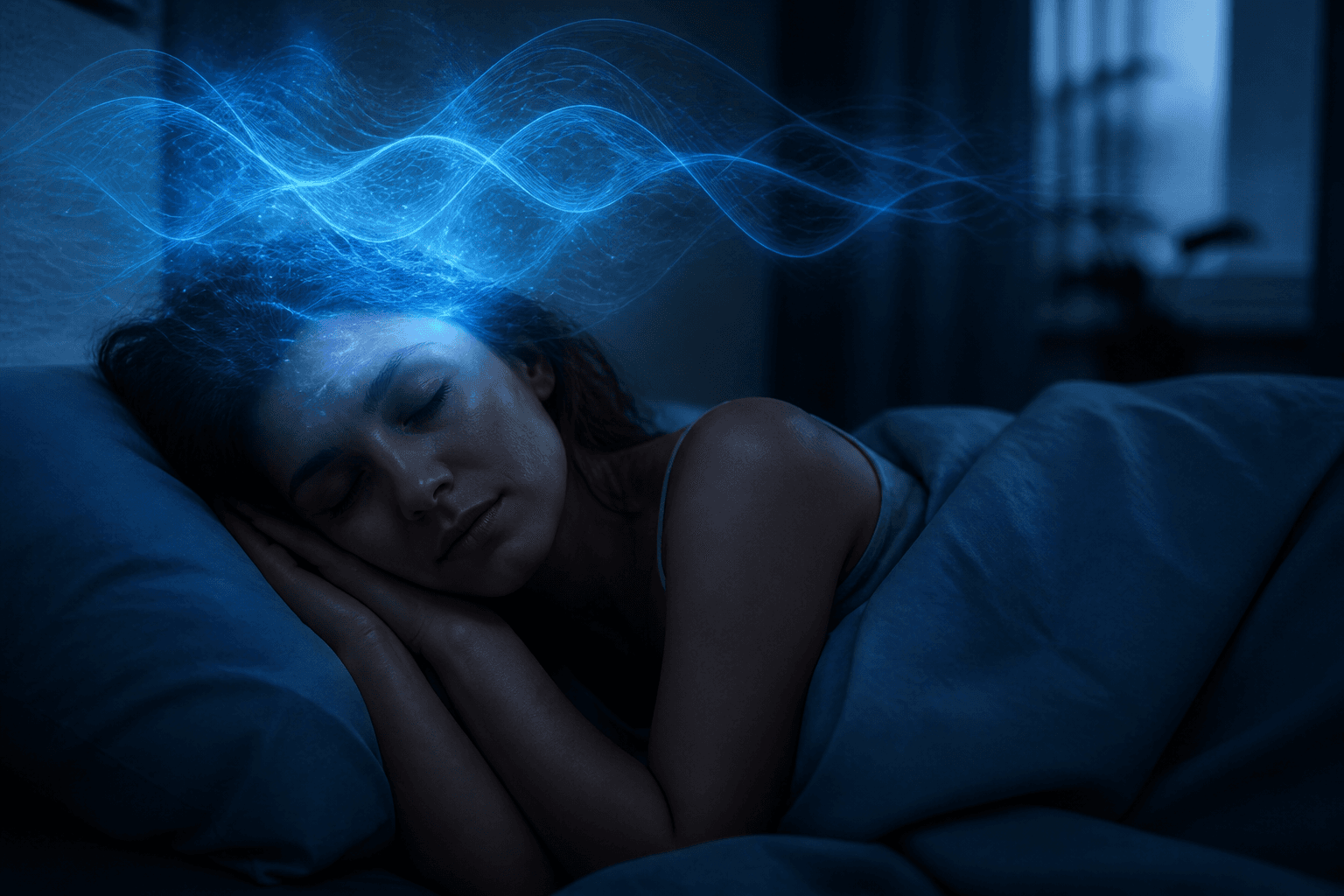
Most sleep advice focuses on the hour before bed, but the habits that most reliably improve sleep quality actually start working the moment you wake up.
The term "sleep hygiene" tends to conjure images of chamomile tea and dimmed lamps, but the research behind it points somewhere less intuitive: some of the most influential habits for sleep quality happen hours before bedtime, and a few of the most powerful ones happen right after waking up. Understanding the biological system that governs sleep — rather than just collecting isolated tips — makes it much easier to see why consistency matters more than any single ritual.
The Two Systems That Control When You Feel Sleepy
Sleep timing is governed by two separate biological processes working together: the circadian rhythm, a roughly 24-hour internal clock synchronized primarily by light exposure, and sleep pressure, a build-up of a compound called adenosine that accumulates the longer a person has been awake. Caffeine works by blocking adenosine's receptors, which is why it delays the feeling of sleepiness rather than eliminating the underlying pressure — the adenosine keeps accumulating regardless, which is part of why a late-afternoon coffee can still disrupt sleep even if it doesn't feel like it's "keeping you up" in an obvious way.
Morning Light: The Most Underrated Sleep Habit
Getting bright light exposure, ideally outdoors, within the first hour or so of waking is one of the most effective ways to anchor the circadian rhythm, because light is the primary cue the brain's internal clock uses to set the timing of the entire 24-hour cycle. This single habit influences not just when someone feels alert during the day but also when melatonin — the hormone that promotes sleep onset — begins rising in the evening. People who work primarily indoors or who wake up and immediately look at a phone screen in dim indoor lighting are often inadvertently working against this mechanism, contributing to a circadian rhythm that drifts later over time.
Why a Consistent Wake Time Matters More Than a Consistent Bedtime
It's a common assumption that a consistent bedtime is the priority, but sleep research generally points to wake time as the more powerful anchor. Waking at a similar time every day, including weekends, helps stabilize the circadian rhythm in a way that a fixed bedtime alone doesn't, because bedtime is influenced by how much sleep pressure has accumulated, while wake time is a more direct lever on the clock itself. This is part of why dramatically sleeping in on weekends ("social jet lag") can leave people feeling groggier on Monday rather than more rested.
Caffeine, Alcohol, and the Substances That Quietly Undermine Sleep
Caffeine has a half-life of roughly five to six hours in most adults, meaning a cup of coffee at 3 p.m. can still have a meaningful amount of it in the system at 9 p.m., which is why afternoon caffeine is one of the more commonly overlooked contributors to difficulty falling asleep. Alcohol is a more complicated case: it can shorten the time it takes to fall asleep, giving the impression of helping, but it disrupts the second half of the night by suppressing REM sleep and increasing awakenings, which tends to leave people with less restorative, more fragmented sleep overall even when total sleep time seems adequate.
The Bedroom Environment and the Wind-Down Window
A cool room (generally cited as somewhere in the range of 18-20°C for most people), a dark environment, and minimal noise all support the body's natural drop in core temperature that accompanies sleep onset. A wind-down period of 30-60 minutes before bed, ideally with dim lighting and away from bright screens, gives the circadian system time to respond to the falling light levels rather than being told, via a bright phone or television screen, that it's still daytime.
Tip
If you find yourself lying awake for more than roughly 20 minutes, getting up and doing something calm and low-stimulation in dim light — rather than staying in bed frustrated — is generally more effective than continuing to try to force sleep.
This helps prevent the brain from associating the bed itself with wakefulness and frustration, a pattern that can contribute to longer-term insomnia if it becomes habitual.
When Sleep Difficulty Points to Something Beyond Habits
Sleep hygiene habits are genuinely effective for many people, but they aren't a complete solution for everyone. Conditions such as sleep apnea, restless legs syndrome, chronic insomnia, or an underlying mood or anxiety disorder can all significantly disrupt sleep in ways that good habits alone won't fully resolve. Loud snoring with gasping or choking sounds, persistently unrefreshing sleep despite adequate time in bed, or sleep difficulty lasting more than a few weeks are reasonable reasons to raise the issue with a doctor rather than assuming it's purely a habits problem.