Long-term independence in later life isn't primarily about avoiding any single disease — it's about protecting a specific set of functional capacities that research consistently links to living well and autonomously for longer.
Longevity research over the past two decades has increasingly shifted focus away from simply extending total lifespan and toward a related but distinct concept: "healthspan," the number of years lived in good functional health, free from significant disability. This distinction matters practically, because the habits that most reliably protect functional independence in later decades aren't necessarily the same ones most associated with treating any single specific disease — they tend to be a smaller set of factors that influence multiple systems simultaneously.
Strength and Balance: The Foundation of Functional Independence
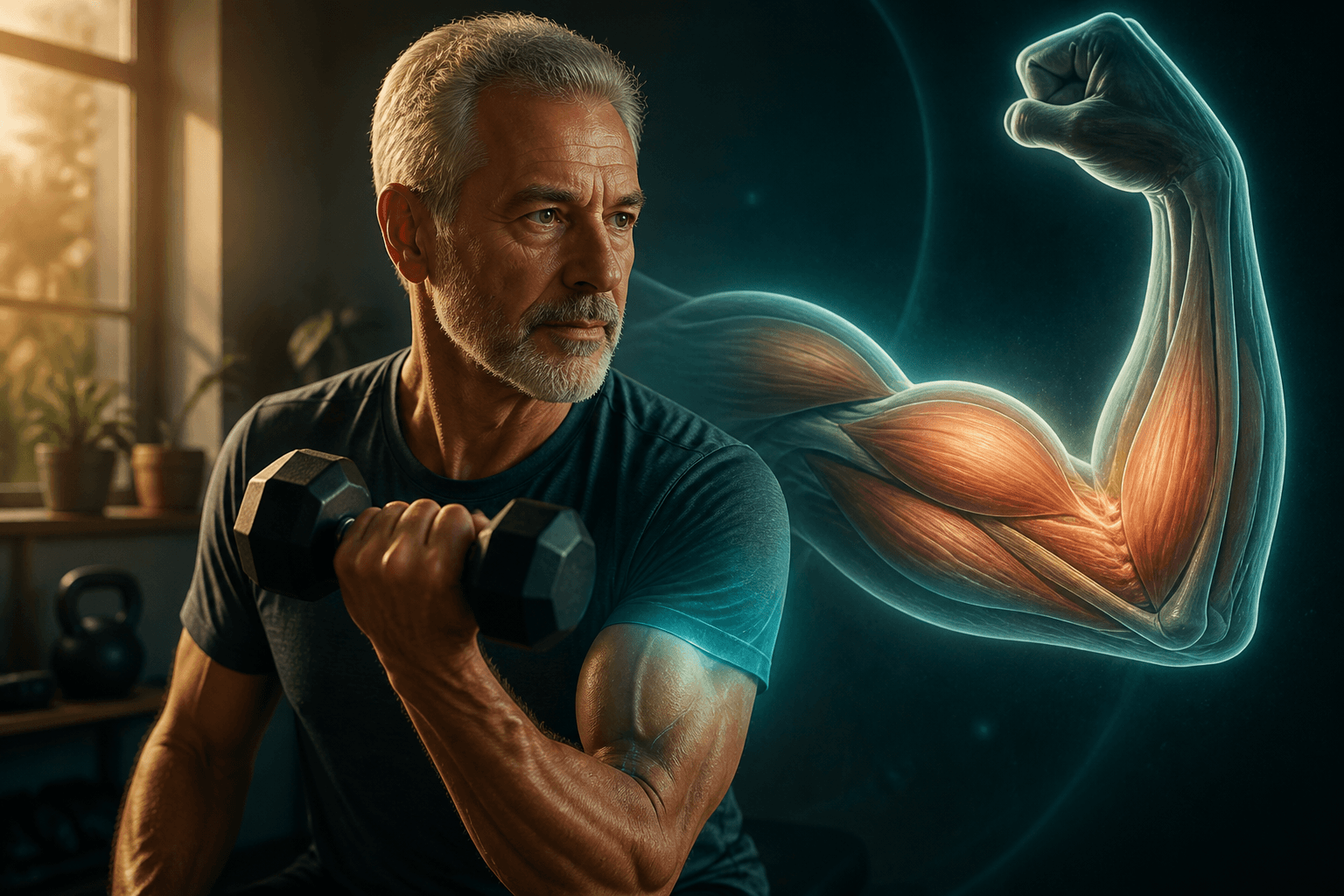
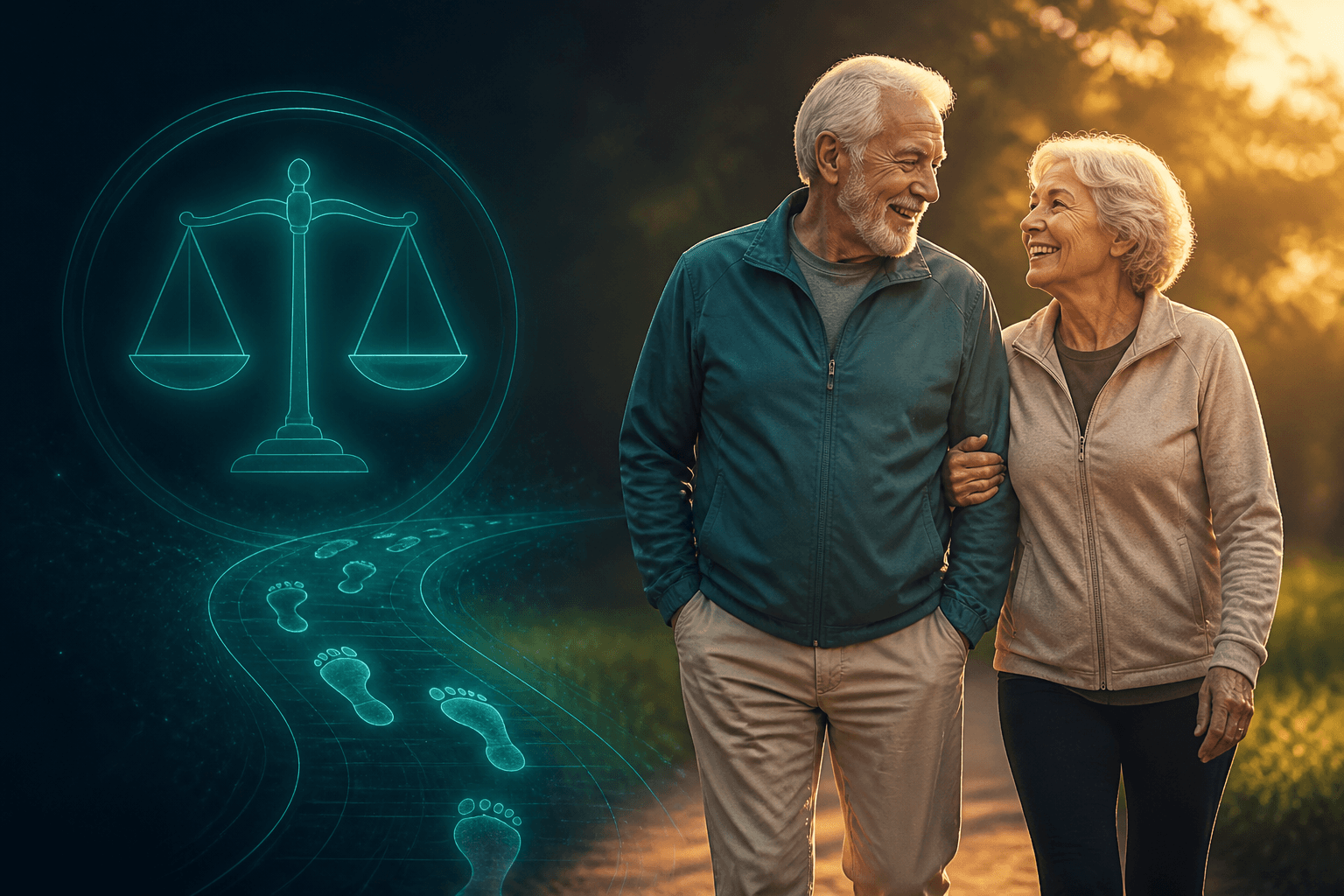
Muscle strength and balance are arguably the two physical capacities most directly tied to maintaining independence, since they underpin the ability to rise from a chair, climb stairs, recover from a stumble before it becomes a fall, and carry out basic daily tasks without assistance. Resistance training, even started later in life, produces measurable strength gains and directly counters sarcopenia (age-related muscle loss), while balance-specific training — practices like tai chi, or simple structured single-leg standing exercises — has strong evidence specifically for reducing fall risk, independent of overall strength gains, since balance and strength involve somewhat distinct neuromuscular systems that both warrant deliberate attention.
Falls: A Disproportionately Important Risk to Manage Proactively
A fall in later life carries outsized consequences compared to the same fall at a younger age — hip fractures in particular are associated with a meaningful increase in mortality risk within the following year, largely due to the combination of surgery, prolonged immobility, and loss of independence that often follows. Beyond strength and balance training, practical home modifications (adequate lighting, removing loose rugs, grab bars in bathrooms), regular vision checks, and a periodic review of medications that can affect balance or cause dizziness (certain blood pressure medications, sedatives, and some others) are all well-evidenced, concrete steps that meaningfully reduce fall risk.
Tip
A simple, low-cost home safety walk-through — specifically checking lighting in hallways and stairs, securing or removing loose rugs, and ensuring frequently used items don't require climbing or excessive reaching — addresses a substantial share of preventable fall risk factors within a single afternoon.
Social Connection Has a Measurable Effect on Longevity
Chronic social isolation and loneliness are associated with health risks comparable in magnitude to well-established risks like smoking and obesity in multiple large studies, likely operating through several overlapping pathways: increased chronic stress hormone exposure, reduced motivation to maintain healthy behaviors, and, for some, reduced likelihood of others noticing and prompting attention to emerging health problems early. Maintaining regular social contact, whether through family, friends, community groups, or structured activities, is increasingly treated in geriatric medicine as a genuine, modifiable health factor worth actively prioritizing — not simply a pleasant lifestyle preference disconnected from physical health outcomes.
Cognitive Engagement and Purpose
Research on cognitive reserve suggests that ongoing mental engagement — learning new skills, maintaining complex social relationships, continuing meaningful work or volunteer activity — is associated with a somewhat later onset of noticeable cognitive decline, even in people who go on to develop underlying neurodegenerative changes, likely because a more extensively developed and actively maintained neural network can compensate for a period of time before symptoms become apparent. Having a continued sense of purpose — a reason to get up and engage with the day — has also been independently associated with better health outcomes and, in some studies, longer lifespan, distinct from simple activity level alone.
Nutrition Priorities Shift Somewhat With Age
Protein needs generally increase somewhat in later life to counter age-related anabolic resistance and help preserve muscle mass, even as total caloric needs often decrease due to lower activity levels and reduced metabolic rate — meaning the proportion of protein within total intake typically needs deliberate attention rather than assuming earlier dietary habits automatically remain adequate. Adequate calcium and vitamin D intake supports bone health as fracture risk rises, and staying proactively attentive to hydration matters more in later life given the blunted thirst sensation that develops with age, discussed in more detail elsewhere.
Managing Chronic Conditions Without Letting Them Define Daily Life
Most older adults live with at least one chronic condition, and the practical goal for functional independence generally isn't the absence of any chronic disease, but effective management that prevents that condition from significantly limiting daily activity and autonomy — well-controlled diabetes, blood pressure, or arthritis, for instance, is compatible with a fully active, independent lifestyle, while poorly managed versions of the same conditions often are not, which is why consistent follow-up care and medication adherence remain genuinely central to long-term independence, not just to managing the disease itself in isolation.