
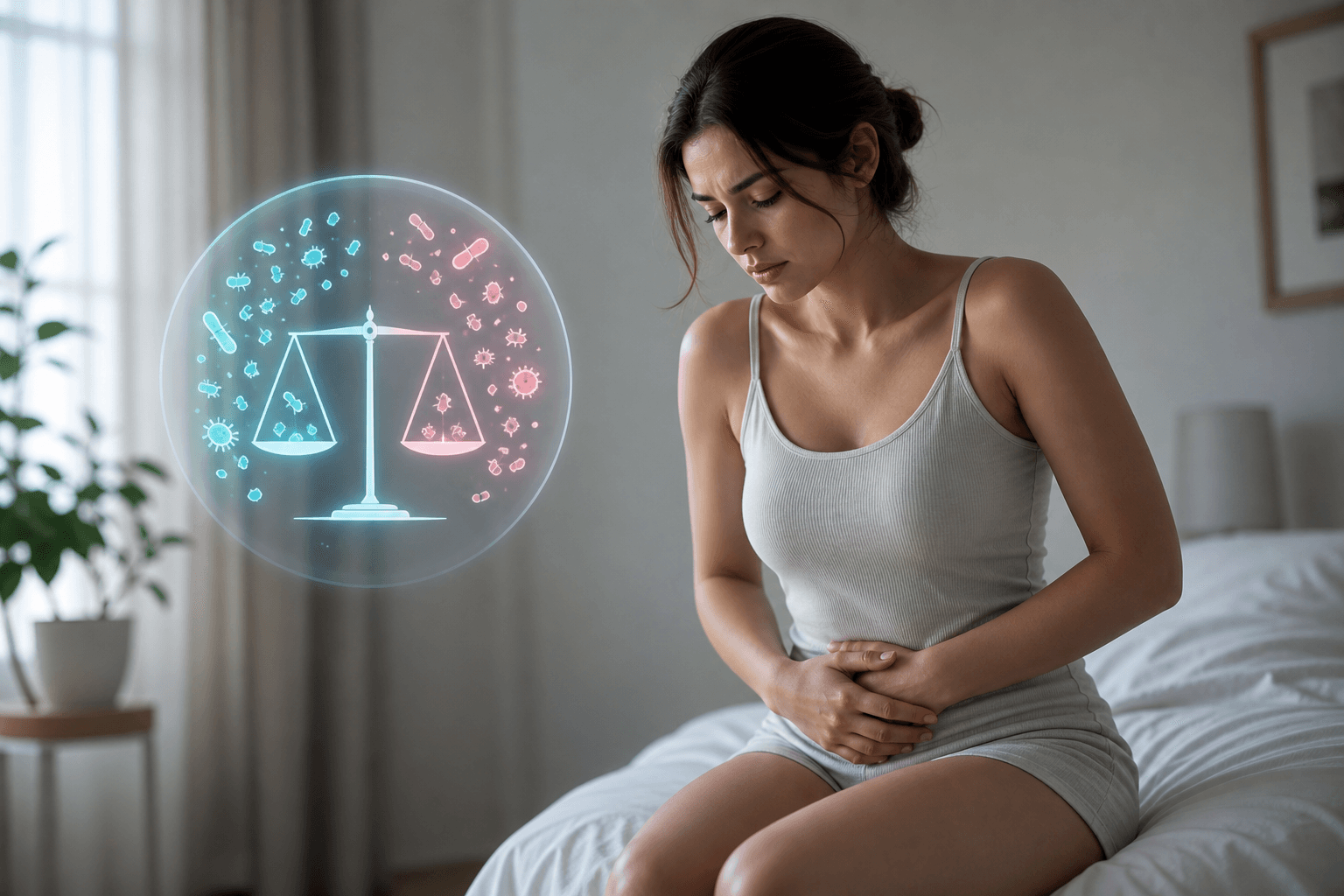
The most common cause of vaginal discharge and odor isn't a yeast infection — it's bacterial vaginosis, which needs a completely different treatment. Here's how to actually tell the difference between the main causes.
Over-the-counter treatment aisles are dominated by antifungal products for yeast infections, which creates a reasonable but often incorrect assumption: that unusual discharge or odor means a yeast infection. In reality, bacterial vaginosis (BV) is the more common cause of these symptoms in women of reproductive age — and antifungal treatment does nothing for it, since it isn't a fungal issue at all.
Bacterial Vaginosis (BV)
BV isn't an infection introduced from outside so much as an imbalance of bacteria that are normally present. The vagina's healthy environment is typically dominated by lactobacilli bacteria, which maintain an acidic pH that keeps other bacteria in check. When that balance shifts — allowing other naturally occurring bacteria to overgrow — BV develops. It typically produces a thin, grey-white discharge and a distinct fishy odor that's often more noticeable after intercourse, but importantly, it usually doesn't cause significant itching — a key difference from yeast infections that's frequently missed. Because it's bacterial rather than fungal, treatment requires antibiotics, not antifungal creams.
Yeast Infections
Yeast infections result from an overgrowth of candida, a fungus normally present in small amounts. They typically produce a thick, white, "cottage cheese"-like discharge accompanied by significant itching and irritation — itching being the more reliable distinguishing symptom compared to BV. Yeast infections are notably more common after a course of antibiotics, since antibiotics disrupt the protective lactobacilli that normally keep candida in check, allowing it to overgrow. This is treated with antifungal medication, available both over the counter and by prescription.
Trichomoniasis
Trichomoniasis is a sexually transmitted infection caused by a parasite, and it behaves differently from the two conditions above in an important way: many people have no symptoms at all, while others develop a frothy, yellow-green discharge with a noticeable odor. Because it's sexually transmitted, treatment requires addressing both partners simultaneously, even if only one is symptomatic — otherwise reinfection is likely.
The Vaginal Microbiome's Protective Role
All three conditions above share a common underlying theme: a disruption to the normal, lactobacilli-dominant vaginal environment that otherwise keeps harmful overgrowth in check. Antibiotics, hormonal changes, and certain hygiene practices can all shift this balance, which is part of why understanding what protects that balance is as useful as understanding the infections themselves.
Why Douching Makes Things Worse, Not Better
Douching is commonly assumed to be a cleanliness measure, but it directly disrupts the protective bacterial balance described above, and is consistently associated with a higher risk of both bacterial vaginosis and pelvic infections, not a lower one. The vagina is self-cleaning under normal circumstances, and internal washing tends to remove the protective bacteria along with anything else, leaving the environment more vulnerable rather than cleaner in any meaningful sense.
When Over-the-Counter Treatment Makes Sense — and When It Doesn't
Over-the-counter antifungal treatment is reasonable for someone who has had a confirmed yeast infection before and recognizes the same specific pattern (thick discharge, significant itching, no strong odor). For a first-time episode, or symptoms that don't clearly match that pattern — particularly a fishy odor with minimal itching, which points more toward BV — a proper evaluation is more useful than guessing, since treating the wrong condition delays actual relief and can allow the real issue to persist or worsen.
Continue reading for free
Create a free account to keep reading — and connect with our trusted partner's licensed doctors whenever you need more than information.
Already have an account?