Type 2 diabetes is often called a silent condition for good reason — by the time classic symptoms appear, the process behind it may have been underway for years. Here's what actually happens earlier, and how treatment has evolved well beyond metformin alone.
Some people diagnosed with type 2 diabetes for the first time already show early signs of nerve or eye changes at the moment of diagnosis — evidence that elevated blood sugar had likely been present, quietly, for several years beforehand. This is the defining challenge of type 2 diabetes: the process behind it is gradual, and the symptoms most people associate with it tend to show up relatively late.
Why It's Called a Silent Condition
Classic symptoms — excessive thirst, frequent urination, unexplained weight loss — generally only appear once blood glucose has climbed well above normal, often for a sustained period. Before that point, the body compensates through rising insulin production, which can keep glucose levels close enough to normal that nothing feels obviously wrong, even as the underlying insulin resistance driving the whole process continues to progress.
The Progression Most People Don't Realize They're On
Type 2 diabetes doesn't appear suddenly. It sits at the far end of a spectrum that usually starts with insulin resistance, progresses through prediabetes (where glucose is elevated but not yet in the diabetic range), and only later crosses into a formal diabetes diagnosis. Each stage typically spans years, which is exactly why early detection depends on testing rather than waiting for symptoms.
Subtler Early Signs Worth Knowing
Beyond the textbook symptoms, several less-discussed signs are worth paying attention to:
- Fatigue that hits specifically after carbohydrate-heavy meals, reflecting how cells struggle to use glucose efficiently even while it's elevated in the bloodstream.
- Slow-healing cuts or frequent skin infections, since elevated glucose impairs immune cell function and small blood vessel circulation.
- Recurrent yeast infections, as elevated sugar levels create a more favorable environment for yeast overgrowth.
- Tingling, numbness, or a burning sensation in the feet, which can reflect early nerve changes (peripheral neuropathy) that sometimes begin before a formal diagnosis.
- Blurred vision that fluctuates, related to how changing glucose levels affect fluid balance in the lens of the eye.
How It's Actually Diagnosed
Diagnosis typically relies on one or more of three tests: fasting plasma glucose, an oral glucose tolerance test, or HbA1c — a measurement that reflects average blood glucose over roughly the previous three months rather than a single moment in time. HbA1c is particularly useful precisely because it smooths out day-to-day fluctuations, giving a more stable picture of the trend rather than a single snapshot that could be skewed by a recent meal or stress.
Modern Treatment Has Moved Well Beyond Metformin Alone
Metformin remains a common first-line medication, largely because of its long safety record and effect on liver glucose production. But treatment today often looks considerably broader than a single medication:
- SGLT2 inhibitors, originally developed for glucose control, have since shown independent benefits for heart failure and kidney protection — meaning they're now prescribed in some cases specifically for those benefits, beyond blood sugar alone.
- GLP-1 receptor agonists, the same class used in weight management, are also used in type 2 diabetes for their effect on both glucose control and, in several trials, reduced cardiovascular event rates.
- Structured lifestyle programs, often delivered alongside medication rather than instead of it, remain a core part of treatment given how strongly diet, activity, and weight influence insulin sensitivity.
Which combination makes sense depends heavily on individual factors — kidney function, cardiovascular history, and other conditions all shape the decision, which is why treatment plans are increasingly individualized rather than following a single fixed sequence.
The Growing Role of Continuous Glucose Monitoring
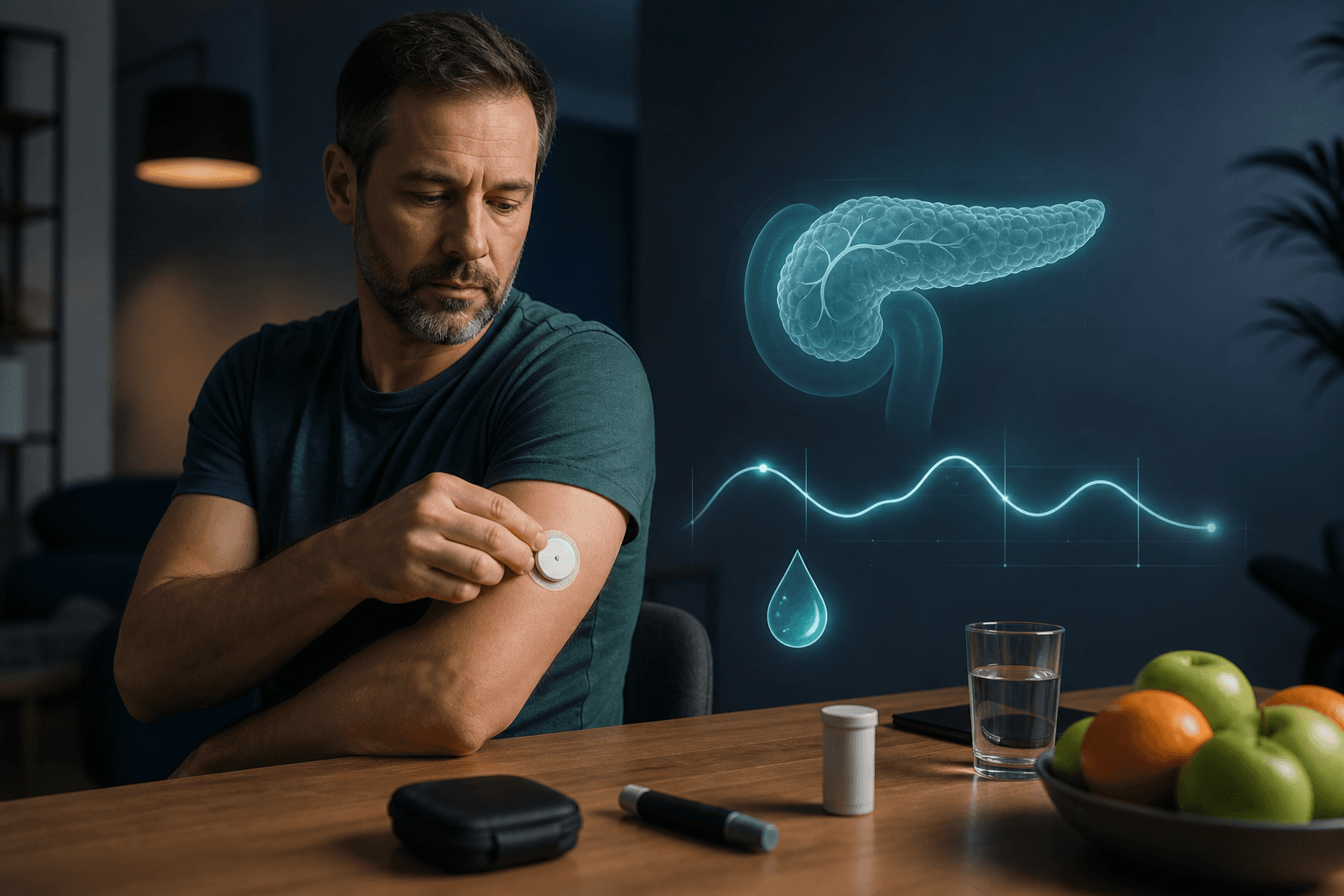
Continuous glucose monitors, once used almost exclusively by people on insulin, are increasingly used more broadly in type 2 diabetes management — including, in some cases, for a limited period even without insulin, simply to reveal how specific foods, activity, and stress affect an individual's glucose in real time. This kind of direct feedback often changes day-to-day habits more effectively than general dietary advice alone, because it's personalized rather than generic.
Continue reading for free
Create a free account to keep reading — and connect with our trusted partner's licensed doctors whenever you need more than information.
Already have an account?