Statins are among the most extensively studied medications in existence, yet persistent myths about muscle damage and memory problems still shape how many people feel about taking them.
Few medication classes have been studied as extensively, across as many large populations and as many years of follow-up, as statins. Despite that unusually deep evidence base, they remain one of the more debated medications in casual conversation, often discussed alongside concerns about muscle pain, memory problems, and diabetes risk that don't always align cleanly with what the accumulated research actually shows. Understanding both how statins work and where the genuine, evidence-supported concerns lie helps put that conversation into clearer perspective.
How Statins Actually Lower Cholesterol
Statins — including atorvastatin (Lipitor) and rosuvastatin (Crestor) — work by blocking an enzyme called HMG-CoA reductase, which the liver needs to produce cholesterol internally. Since the liver is the primary source of the body's cholesterol production — more significant, for most people, than dietary cholesterol intake alone — blocking this enzyme meaningfully reduces the amount of LDL cholesterol, often called "bad" cholesterol, circulating in the blood. In response to reduced internal production, liver cells also increase the number of LDL receptors on their surface, pulling additional LDL cholesterol out of the bloodstream, which compounds the cholesterol-lowering effect beyond simply reducing production alone.
Why LDL Reduction Translates Into Fewer Cardiovascular Events
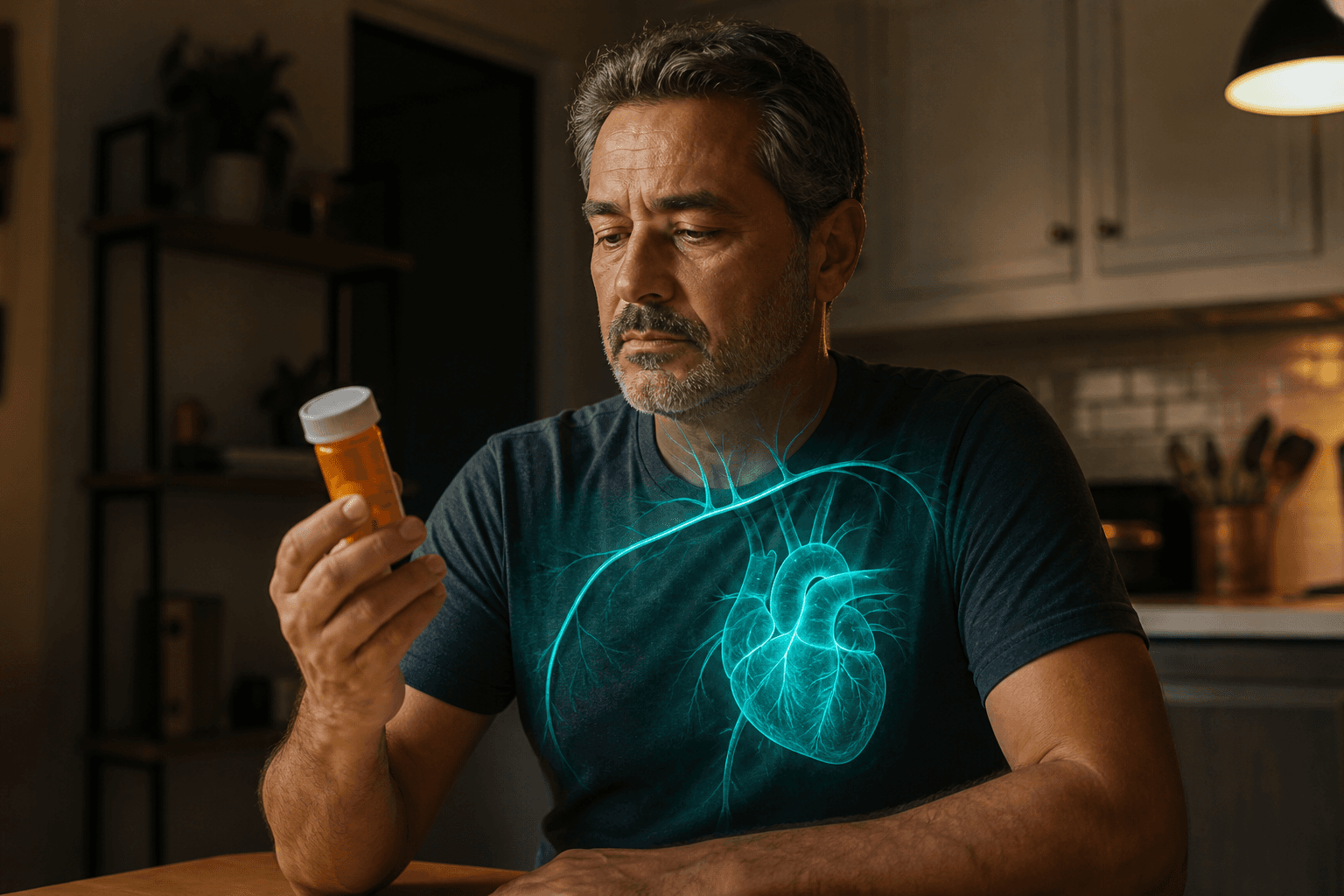
The connection between statins and reduced heart attack and stroke risk isn't simply about a better number on a lab report — elevated LDL cholesterol is a key driver of atherosclerosis, the gradual buildup of fatty plaque within artery walls that can eventually narrow or rupture, triggering a heart attack or stroke. Large clinical trials spanning decades have consistently demonstrated that statin-driven LDL reduction is associated with meaningfully fewer cardiovascular events, both in people who've already had a cardiovascular event (secondary prevention) and in higher-risk people who haven't yet had one (primary prevention), which is why statins remain a cornerstone of cardiovascular risk management in current guidelines.
Addressing the Muscle Pain Concern Directly
Muscle aches are among the most commonly reported statin side effects in casual conversation, but the picture from controlled research is more nuanced than that reputation suggests. Large randomized trials that compared statins directly against placebo, without either patients or researchers knowing which was being taken, have generally found muscle symptom rates only modestly higher with statins than with placebo — considerably lower than rates reported in real-world observational surveys, suggesting that expectation and attention bias play a meaningful role in how muscle symptoms get reported and attributed. This doesn't mean statin-related muscle symptoms aren't real for some people — they clearly are — but it does mean the true rate is likely lower than popular perception suggests, and switching to a different statin or adjusting the dose often resolves symptoms for people who do experience them.
The Rare but Genuine Serious Muscle Risk
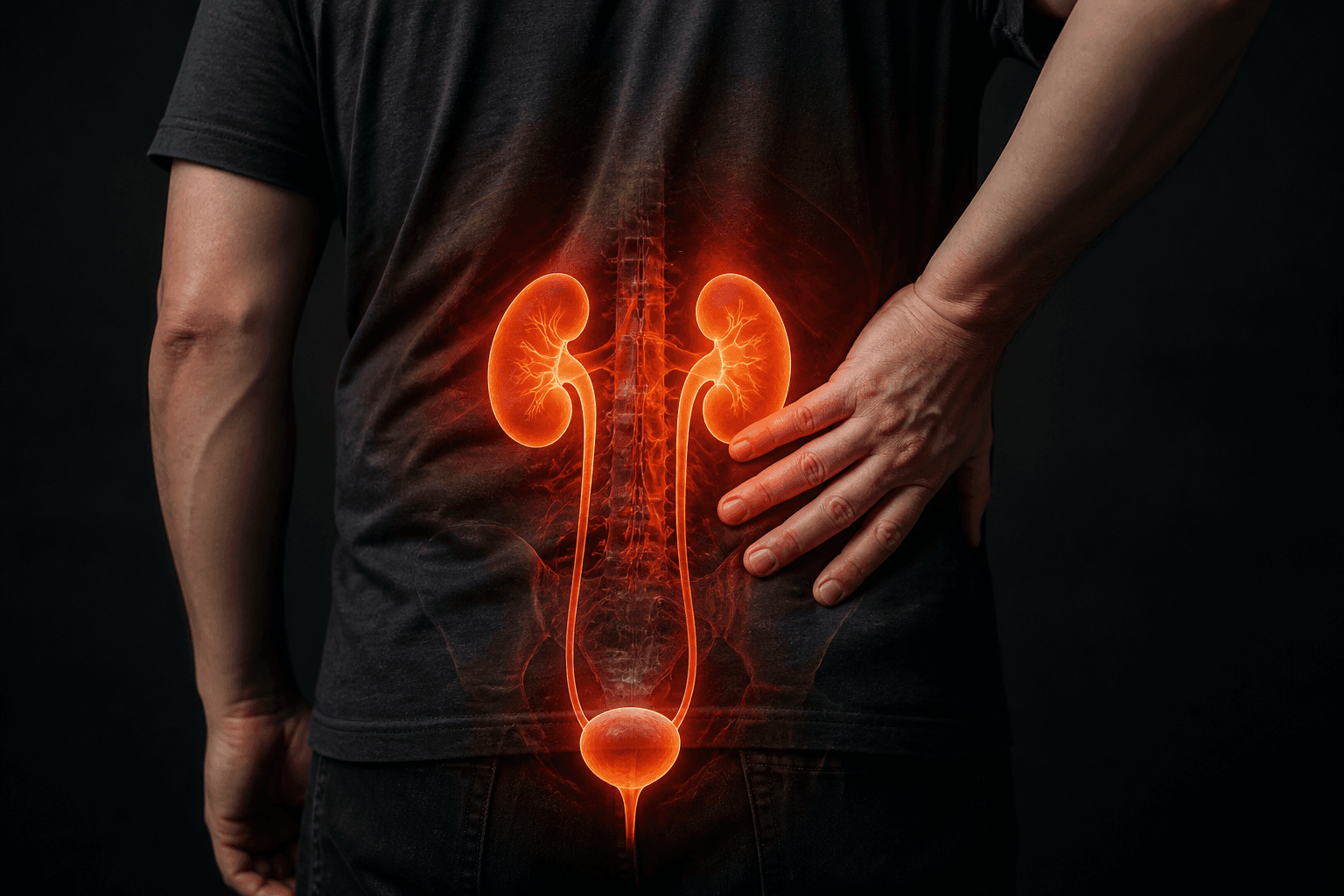
A distinct and much rarer concern is rhabdomyolysis, a serious breakdown of muscle tissue that can affect kidney function, but this occurs in a very small fraction of statin users and is far less common than the milder muscle aches discussed above. Certain factors increase this rare risk, including specific drug interactions, kidney or liver disease, and advanced age, which is why a doctor reviews other medications and health conditions before prescribing and generally monitors for warning symptoms during treatment.
Statins and Blood Sugar: A Modest, Real Association
Research has identified a modest increased risk of developing type 2 diabetes among statin users, thought to relate to subtle effects on insulin sensitivity and secretion. This is a genuine finding, not a myth, but it needs to be weighed against the cardiovascular benefit statins provide, and for most people at meaningful cardiovascular risk, the reduction in heart attack and stroke risk is generally considered to outweigh this modest increase in diabetes risk. For people already at borderline risk for diabetes, this is a reasonable factor to discuss with a doctor when weighing overall treatment strategy, rather than an automatic reason to avoid statins altogether.
What About Memory and Cognitive Effects?
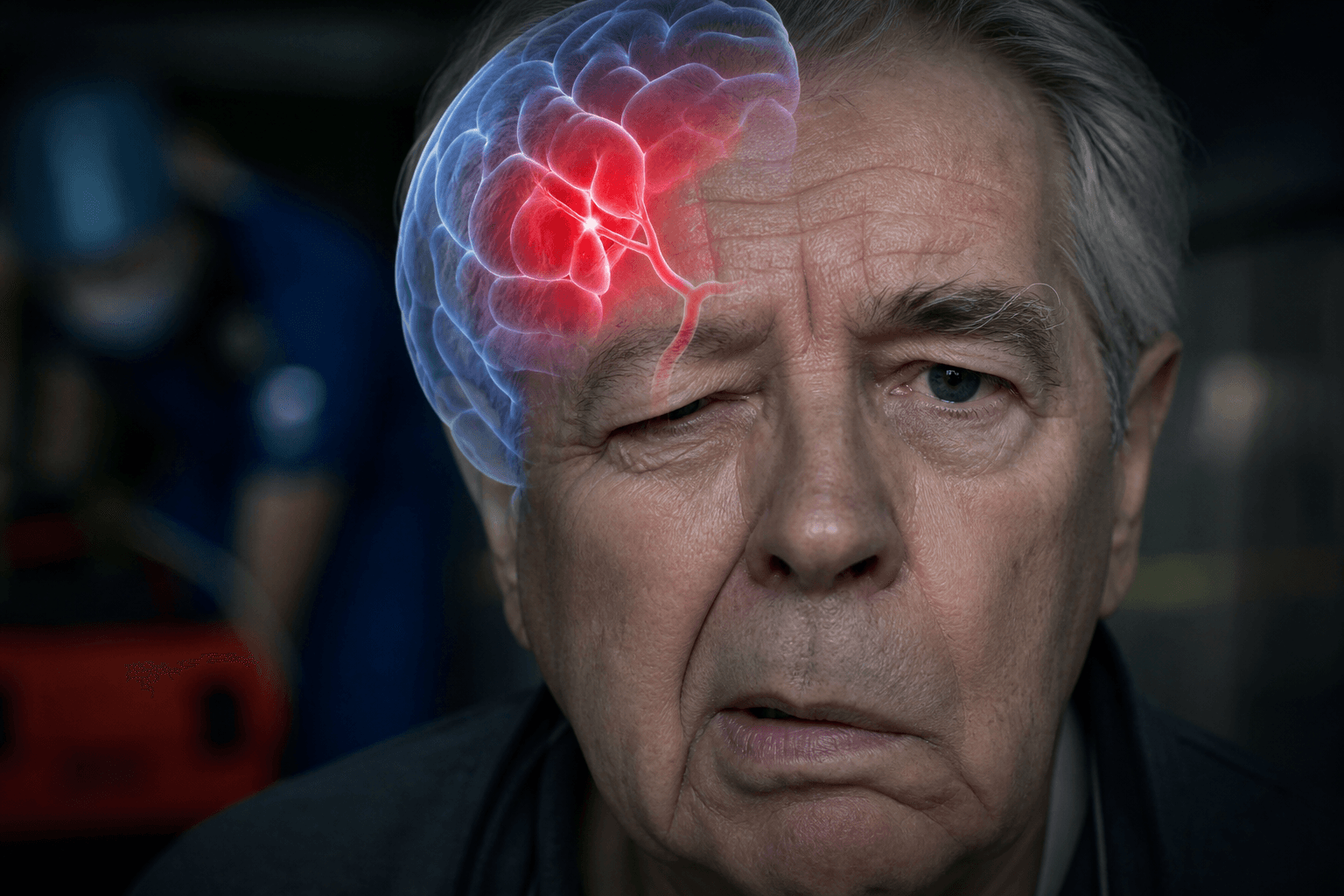
Concerns about statins and memory problems gained public attention some years ago, but subsequent large-scale research, including data specifically designed to investigate this question, has not found consistent evidence supporting a meaningful negative effect on memory or cognitive function. Some studies have even suggested a possible protective association, given cardiovascular health's broader connection to brain health, though this hasn't been established as a primary benefit. Current major guidelines generally do not list cognitive impairment as an established statin risk, based on the cumulative evidence available.
Important
Anyone taking a statin who develops significant, persistent muscle pain or weakness — particularly if accompanied by dark urine — should contact their doctor promptly, since this combination can indicate the rare but serious muscle breakdown requiring evaluation.
Statins shouldn't be stopped abruptly without medical guidance based on internet research alone, since the cardiovascular risk of stopping an appropriately prescribed statin is generally a more significant concern than the modest, often manageable side effects some people experience.
Continue reading for free
Create a free account to keep reading — and connect with our trusted partner's licensed doctors whenever you need more than information.
Already have an account?