Chronic kidney disease often produces no symptoms until function has already declined significantly, which is exactly why two simple blood and urine tests matter more than waiting to feel unwell.
By the time chronic kidney disease produces symptoms a person would actually notice, the kidneys have often already lost a substantial share of their function — which is exactly why routine screening, rather than waiting for symptoms, is how most early cases are actually found.
Why CKD Is Often Called a "Silent" Condition
The kidneys have considerable reserve capacity, meaning they can continue performing their core functions even after losing a meaningful percentage of their filtering ability. This built-in redundancy is protective in one sense, but it also means early-stage kidney disease frequently produces no noticeable symptoms at all, and function can decline significantly before a person feels unwell. This is the central reason CKD is so often diagnosed at a more advanced stage than other chronic conditions with more obvious early warning signs.
What the Kidneys Actually Do — and Why Early Loss Goes Unnoticed
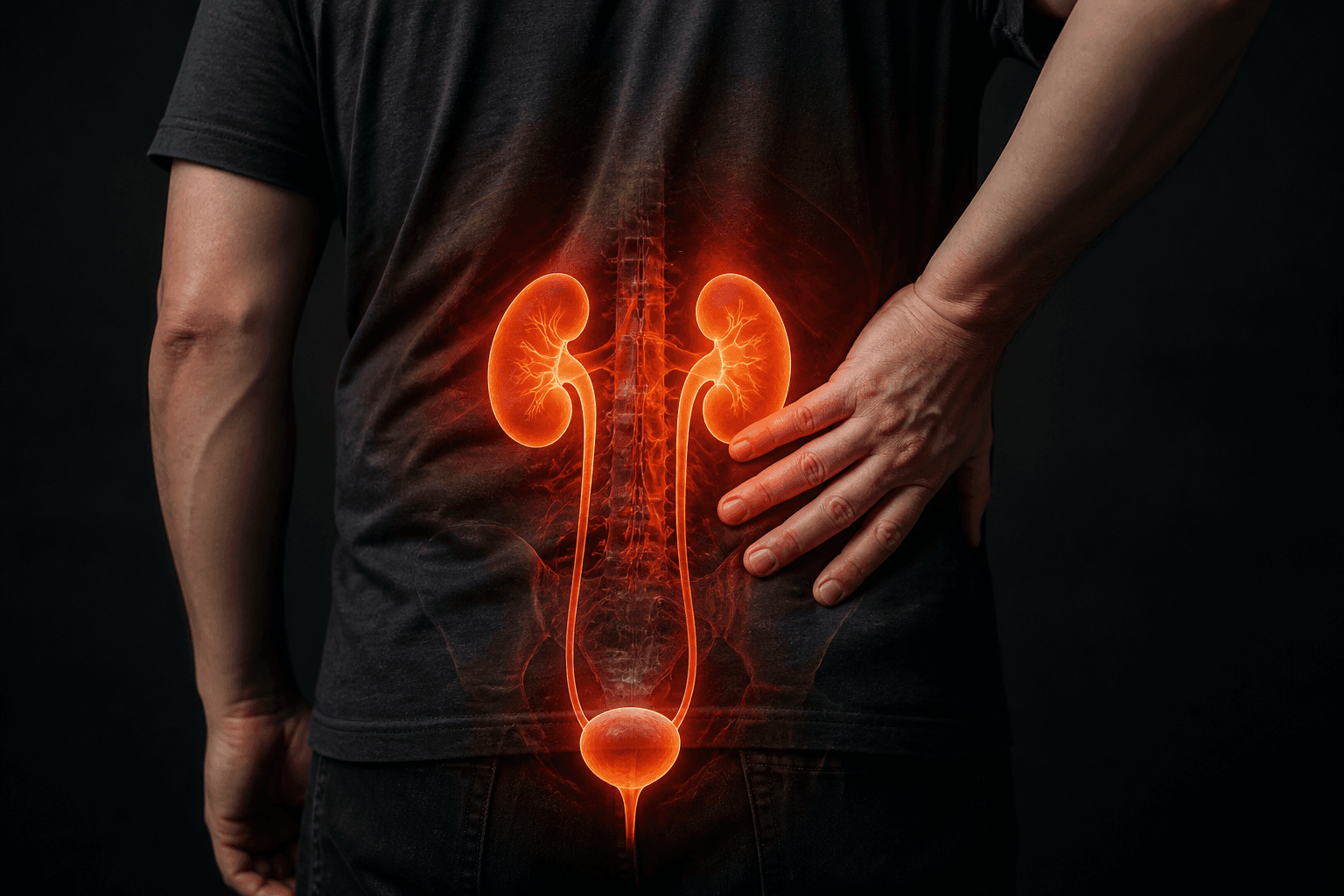
Beyond filtering waste products from the blood, the kidneys regulate fluid balance, electrolyte levels, blood pressure, and red blood cell production, and help activate vitamin D. Because these functions are distributed and gradual in their effects, early decline tends to show up as subtle shifts — slightly elevated blood pressure, mild changes in blood test results — rather than a distinct symptom a person would attribute to their kidneys specifically.
Subtle Early Symptoms Worth Paying Attention To
When early symptoms do appear, they're often non-specific enough to be dismissed or attributed to something else: persistent fatigue, mild swelling around the ankles or eyes, changes in urination frequency (particularly more frequent urination at night), foamy urine (which can reflect protein leaking into the urine), and difficulty concentrating. None of these symptoms are unique to kidney disease, which is precisely why they're easy to overlook, and why they're generally treated as a prompt for testing rather than something to self-diagnose.
Who Is at Higher Risk
Diabetes and high blood pressure are the two leading causes of CKD worldwide, together accounting for the majority of cases, because both conditions gradually damage the small blood vessels within the kidneys' filtering units over time. A family history of kidney disease, older age, and a history of cardiovascular disease also increase risk. Because these are largely the same risk factors associated with several other chronic conditions, people managing diabetes or high blood pressure are generally advised to have kidney function checked as a routine part of managing those conditions, not as a separate, unrelated test.
How CKD Is Actually Detected
Detection relies on two relatively simple, low-cost tests rather than anything invasive. A blood test measuring creatinine is used to calculate the estimated glomerular filtration rate (eGFR), a number reflecting how effectively the kidneys are filtering blood. A urine test measuring the albumin-to-creatinine ratio (ACR) detects small amounts of protein leaking into the urine, often one of the earliest detectable signs of kidney stress, sometimes appearing before eGFR itself has declined. Used together, these two tests can identify kidney disease well before symptoms would otherwise prompt someone to seek care.
Why Both Tests Matter, Not Just One
Relying on eGFR alone can miss early disease, since a meaningful drop in filtration rate can take time to appear even after damage has started, whereas elevated albumin in the urine can appear earlier and independently signals risk. This is why current guidance generally recommends checking both eGFR and urine ACR together, particularly for anyone in a higher-risk group, rather than treating either test as sufficient on its own.
When Testing Should Happen
Important
Anyone with diabetes, high blood pressure, a family history of kidney disease, or persistent unexplained fatigue or swelling should discuss kidney function testing with a doctor, since early-stage CKD is very often symptom-free.
Catching reduced kidney function early generally allows for management strategies that can meaningfully slow further decline, which is far more difficult to achieve once function has already dropped substantially.