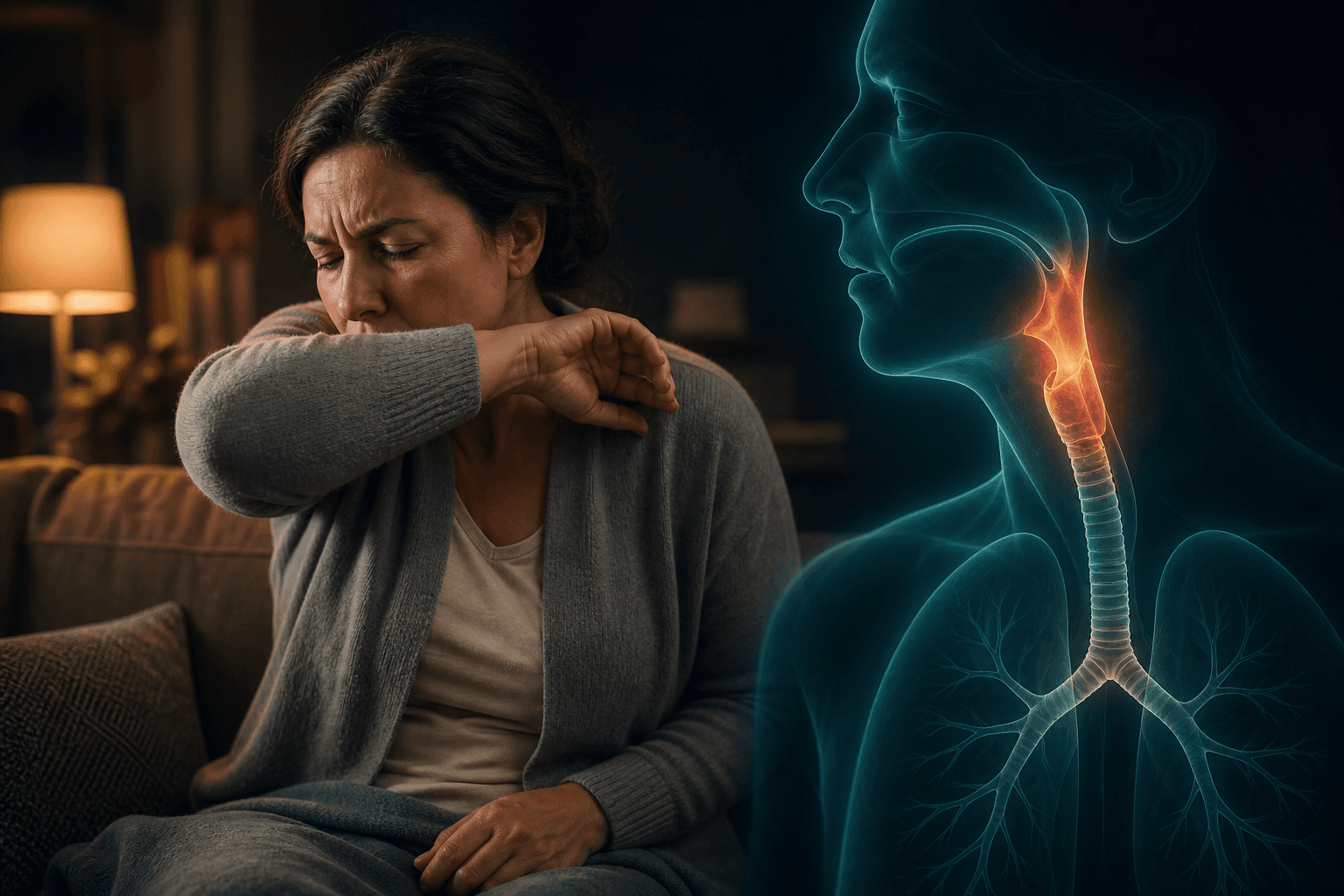

Shingles can only develop in people who've already had chickenpox, because it's caused by the very same virus reactivating decades after it first went dormant in the body.
Anyone who has had chickenpox is, in a sense, carrying a dormant virus for the rest of their life — one that can reactivate decades later as shingles. This isn't a new infection at all, but a resurgence of the varicella-zoster virus from where it has been hiding since childhood, and the mechanism behind that reactivation explains both why shingles tends to appear later in life and why the rash follows such a distinctive pattern on the skin.
The Virus That Never Fully Leaves
After a chickenpox infection resolves, the varicella-zoster virus doesn't disappear from the body — it retreats into nerve tissue near the spinal cord and brain, where it stays inactive, often for many decades, kept in check by the immune system. Shingles occurs when that immune control weakens enough for the virus to reactivate and travel back down the nerve fibers to the skin. This is why shingles becomes considerably more common with age, and why anything that suppresses immune function — certain medications, chronic illness, or significant physical or emotional stress — can also trigger a reactivation earlier in life than would otherwise be expected.
Why the Rash Follows Such a Specific Pattern
One of the more recognizable features of shingles is that the rash typically appears in a single band or strip on one side of the body, tracing the path of the specific nerve the virus reactivated in. This pattern, called a dermatomal distribution, is a direct reflection of the underlying mechanism — the virus is traveling along one nerve pathway rather than spreading through the bloodstream the way chickenpox does. The rash usually starts as clusters of fluid-filled blisters on reddened skin, often preceded by several days of localized burning, tingling, or stabbing pain in the area before any rash becomes visible.
The Pain Can Outlast the Rash
The nerve-based nature of shingles is also why pain is often the most difficult part of the illness, both during the active rash and, for some people, well after the skin has healed. When the virus damages nerve fibers as it travels through them, it can leave behind a condition called postherpetic neuralgia — persistent nerve pain in the same area that can last for months or, less commonly, years after the rash clears. This risk increases with age, which is one reason early treatment and prompt medical attention are generally emphasized more strongly for older adults with shingles.
Diagnosis Is Usually Straightforward
Shingles is typically diagnosed based on the appearance and distribution of the rash alone, since the one-sided, band-like pattern combined with a history of prior chickenpox is fairly distinctive. In less clear cases, or in people with weakened immune systems where the rash may look atypical, a sample from a blister can be tested to confirm the virus. Because early antiviral treatment is more effective the sooner it's started after the rash appears, prompt evaluation matters more with shingles than with many other skin conditions that can safely wait.
Treatment Focuses on Limiting Severity and Duration
Antiviral medications, when started within the window a doctor considers appropriate after rash onset, can shorten the course of the illness and reduce the risk of complications, including postherpetic neuralgia. Pain management is also a central part of treatment, since the discomfort of shingles can range from mild to genuinely severe, and a doctor may combine different approaches depending on how the pain responds. Keeping the affected area clean and loosely covered helps prevent secondary bacterial infection of the blisters, and cool compresses are often used to ease discomfort during the active rash phase.
Important
Shingles that develops near the eye, or that affects the face in a way that could involve the eye, needs prompt medical evaluation, since this location carries a genuine risk of vision complications if not addressed quickly. Anyone with a rash in this area, or with shingles alongside fever, confusion, or widespread blistering, should seek medical attention rather than waiting to see if it improves.
Can Shingles Be Prevented?
Vaccination is the main preventive tool available, and it works by boosting the immune system's ability to keep the dormant virus suppressed before it has a chance to reactivate. It's generally recommended for older adults, in part because both the likelihood of shingles and the risk of complications like postherpetic neuralgia rise substantially with age. Vaccination doesn't guarantee a person will never develop shingles, but research indicates it meaningfully reduces both the likelihood of an outbreak and the severity of the illness if one does occur.
Continue reading for free
Create a free account to keep reading — and connect with our trusted partner's licensed doctors whenever you need more than information.
Already have an account?