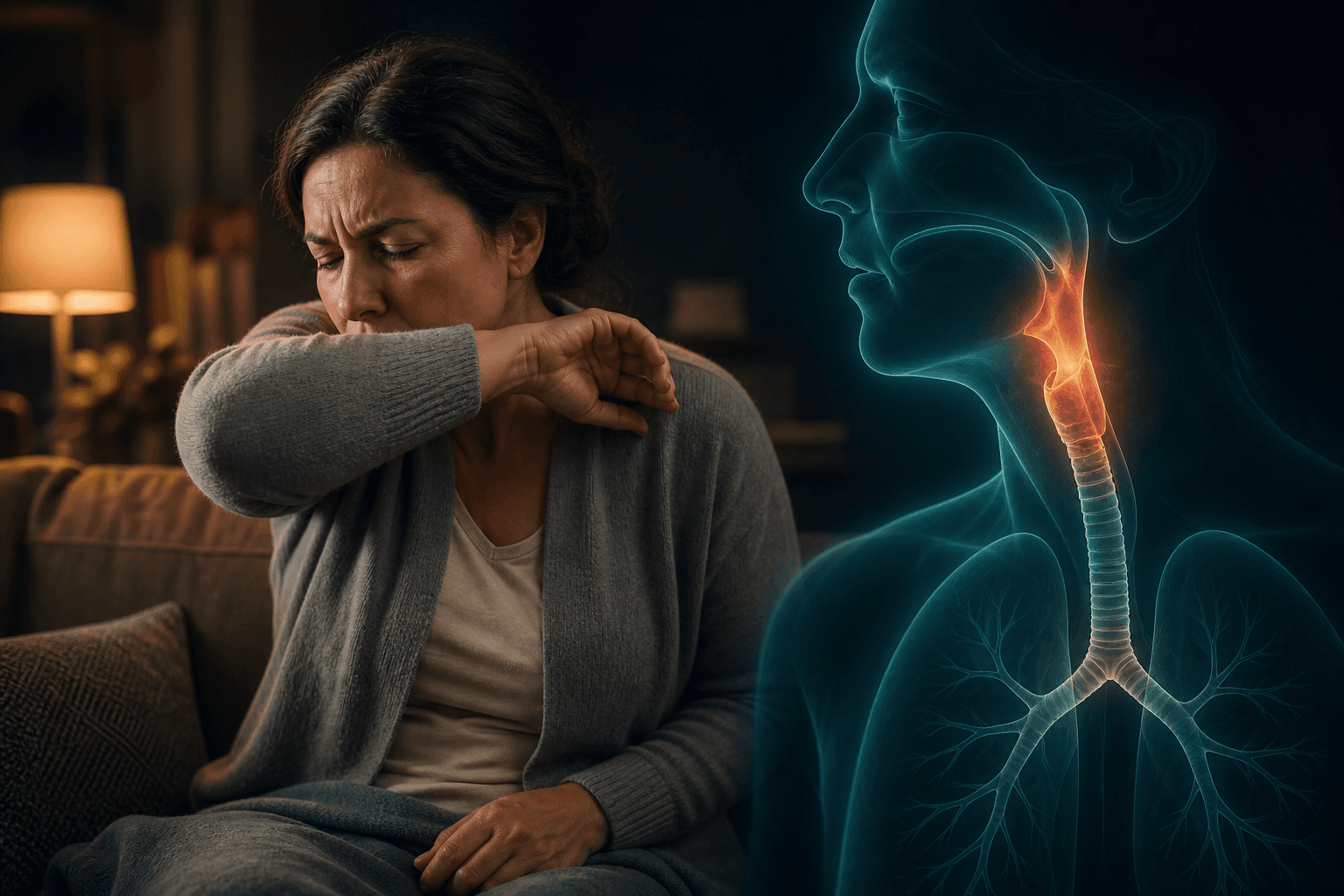

Pneumonia ranges from a manageable illness treated at home to a serious, life-threatening infection — and knowing which warning signs separate the two categories matters more than memorizing every possible symptom.
Pneumonia is an infection that inflames the air sacs (alveoli) in one or both lungs, causing them to fill with fluid or pus, which directly impairs the lung's ability to transfer oxygen into the bloodstream — this mechanical explanation is why breathlessness, rather than just cough, is such a central and telling symptom of the condition, distinguishing it from a more superficial upper respiratory infection.
What Causes Pneumonia
Bacteria, viruses, and, less commonly, fungi can all cause pneumonia, and the distinction matters clinically because treatment differs substantially between them. Streptococcus pneumoniae remains the most common bacterial cause in adults, and bacterial pneumonia often presents with a sudden onset, high fever, and a productive cough with thick, discolored sputum. Viral pneumonia, including that caused by influenza and, more recently, well-documented as a complication of COVID-19, tends to develop somewhat more gradually and often follows a preceding viral upper respiratory illness. Aspiration pneumonia, caused by inhaling food, liquid, or vomit into the lungs, is a distinct and important category particularly relevant in older adults with swallowing difficulties or reduced consciousness.
Recognizing the Symptoms
Core symptoms include cough (often producing yellow, green, or occasionally blood-tinged sputum), fever, chills, chest pain that characteristically worsens with deep breathing or coughing (called pleuritic pain, caused by inflammation of the lining around the lungs), and shortness of breath, particularly with exertion. Older adults present a notable and clinically important exception to this typical pattern: they may have minimal or no fever, and instead present primarily with confusion, weakness, a fall, or a general decline in functioning — a presentation easily mistaken for an unrelated issue like dementia progression or simple frailty, which is a significant reason pneumonia in older adults is sometimes diagnosed later than it should be.
Important
Rapid or labored breathing, confusion of new onset, a bluish tint to the lips or fingertips, chest pain, or a persistent high fever are signs that warrant emergency evaluation rather than waiting to see if symptoms improve on their own — pneumonia can progress quickly, particularly in older adults, young children, and anyone with an underlying chronic condition.
Who Faces the Highest Risk
Age is one of the strongest risk factors at both ends of the spectrum — young children with still-developing immune systems and adults over 65 with generally reduced immune function and a higher likelihood of coexisting chronic conditions both face elevated risk of both developing pneumonia and experiencing a more severe course. Chronic conditions including COPD, asthma, heart disease, diabetes, and any condition or medication that suppresses the immune system all increase risk substantially. Smoking damages the lung's natural clearance mechanisms and is an independent, significant risk factor regardless of age, and recent hospitalization, particularly with a ventilator, carries its own distinct pneumonia risk category (hospital-acquired pneumonia) that tends to involve more resistant bacteria and requires different treatment considerations.
Diagnosis and Treatment
Diagnosis typically combines a physical examination (listening for characteristic crackling sounds in the lungs), a chest X-ray to confirm the presence and extent of lung infiltration, and sometimes blood tests or sputum cultures to help identify the specific causative organism, particularly in more severe or hospitalized cases. Bacterial pneumonia is treated with antibiotics, chosen based on the likely organism, local resistance patterns, and severity, typically for a course of five to seven days for uncomplicated cases. Viral pneumonia is managed primarily with supportive care, since standard antibiotics don't work against viruses, though specific antiviral medications exist for certain causes like influenza when started early enough in the illness. The decision between outpatient treatment and hospitalization is generally based on a combination of vital signs, oxygen levels, underlying health conditions, and specific validated severity scoring tools that help predict the likelihood of complications.
What Recovery Actually Looks Like
Most people begin feeling meaningfully better within a few days of starting appropriate treatment, though full resolution of cough and fatigue commonly takes several weeks, and chest X-ray findings can take even longer — sometimes six to eight weeks — to fully clear even once someone feels clinically recovered, which is why a follow-up X-ray is sometimes specifically recommended in certain higher-risk patients rather than assuming symptom improvement alone confirms complete resolution. Fatigue that lingers well beyond the acute illness is common and doesn't necessarily indicate ongoing infection, though a fever or symptoms that initially improve and then clearly worsen again warrant prompt re-evaluation, since this pattern can indicate a complication such as a lung abscess or fluid accumulation around the lung (pleural effusion).
Prevention Matters More Than Most People Realize
Continue reading for free
Create a free account to keep reading — and connect with our trusted partner's licensed doctors whenever you need more than information.
Already have an account?