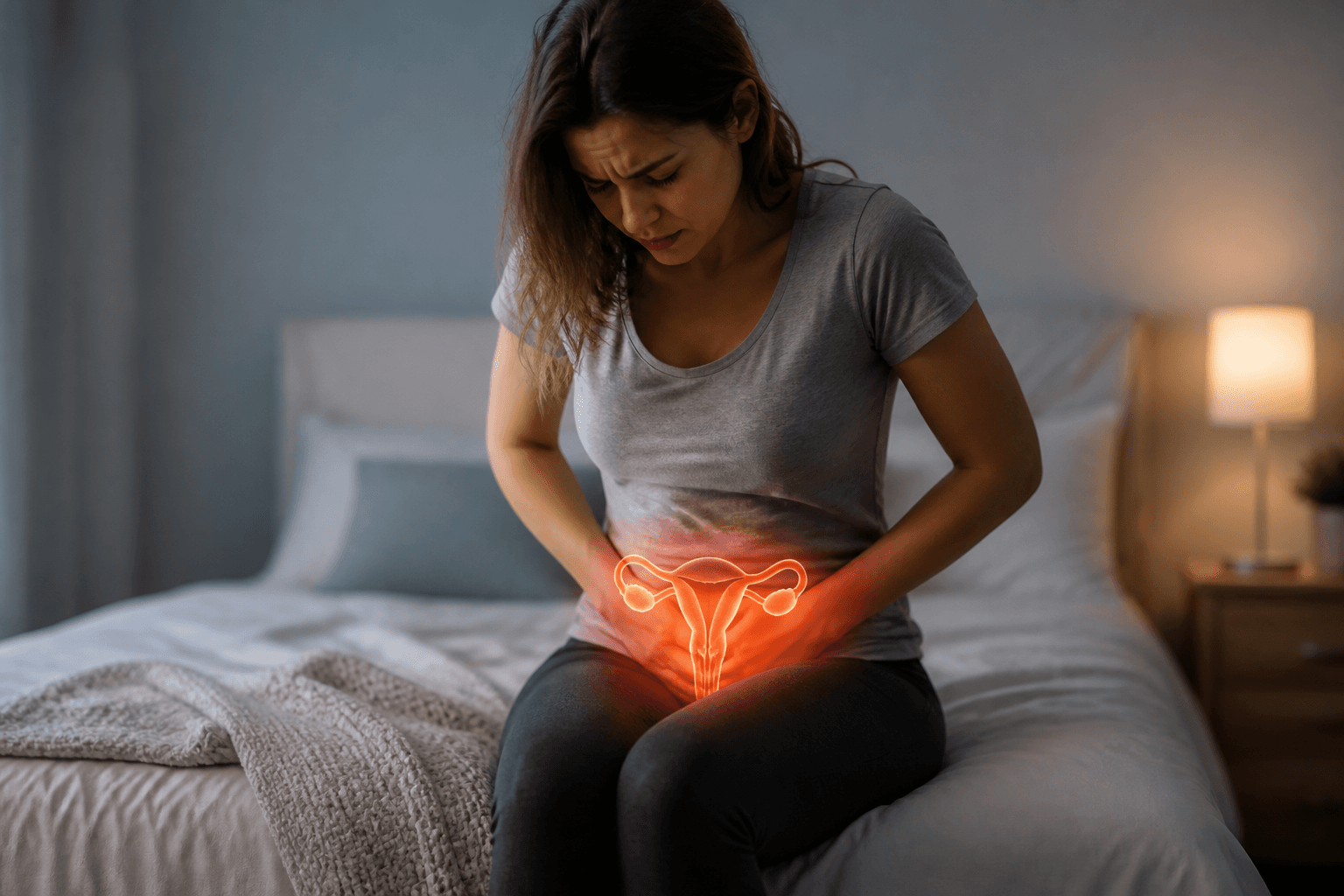
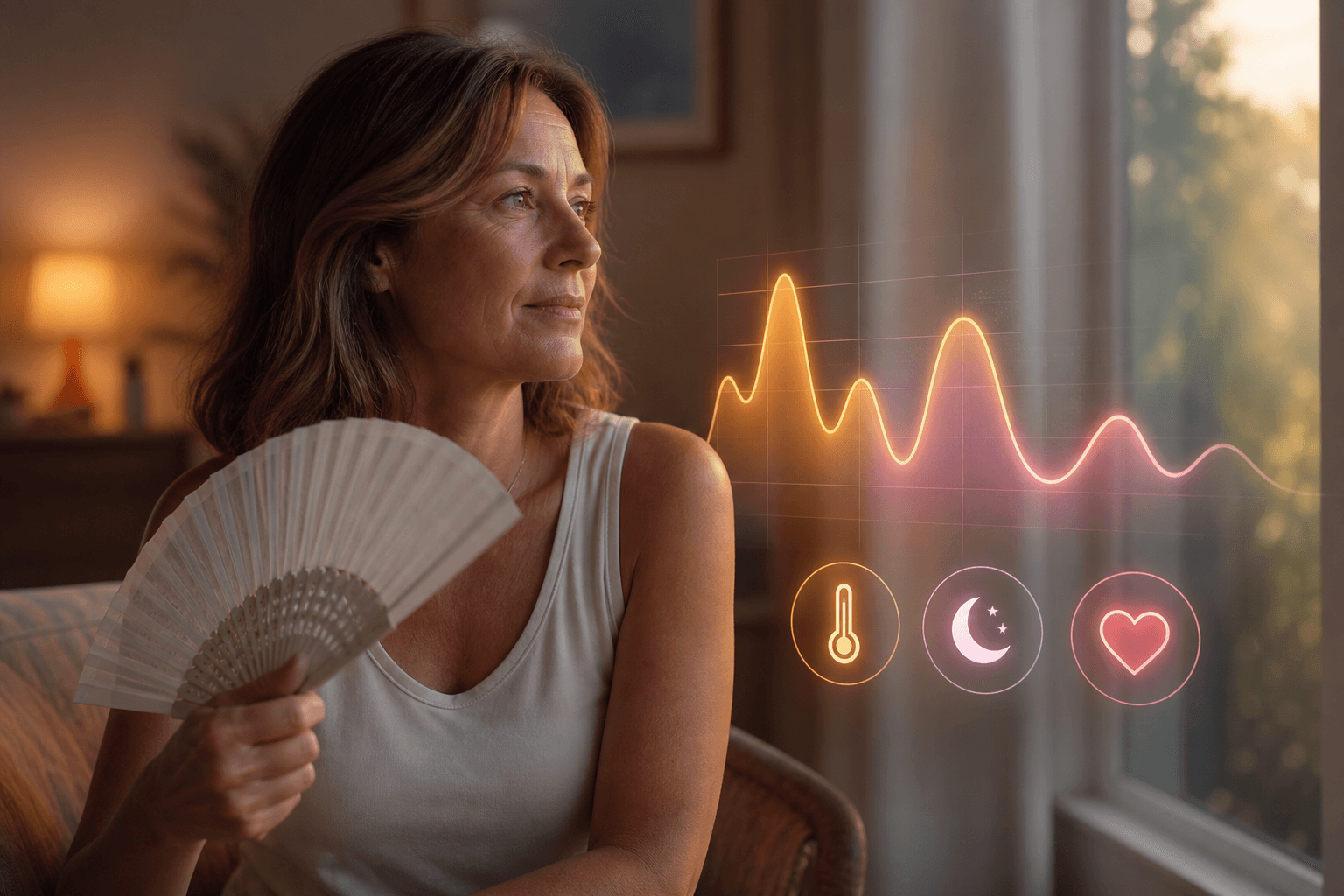
Perimenopause and menopause aren't the same thing, and the years-long transition beforehand — with hormones swinging rather than simply declining — often feels more disruptive than menopause itself. Here's what's actually happening and what genuinely helps.
Menopause, technically, is a single point in time — reached after twelve consecutive months without a period. Most of what women actually experience happens in the years leading up to it, during perimenopause, when hormone levels don't simply decline in a smooth line but swing unpredictably, sometimes higher than usual before dropping sharply. That distinction explains a lot about why this transition can feel so unpredictable.
Why Perimenopause Can Feel More Chaotic Than Menopause Itself
Once menopause is reached, estrogen settles into a consistently low, stable state. Perimenopause, by contrast, is defined by erratic fluctuation — estrogen can spike higher than typical premenopausal levels in one cycle and drop sharply in the next, as the ovaries respond less predictably to hormonal signals from the brain. This volatility, more than the eventual low level itself, is a major reason perimenopausal symptoms often feel more intense and unpredictable than symptoms after menopause has fully arrived, when hormones have at least stabilized into their new baseline.
The Full Range of Symptoms Beyond Hot Flashes
Hot flashes and night sweats get the most attention, but estrogen receptors exist throughout the body — including in the brain, joints, and skin — which is why the symptom range extends considerably further:
- Sleep disruption, often independent of night sweats, related to estrogen's direct role in sleep architecture.
- Mood changes, including increased irritability or anxiety, particularly during the more volatile perimenopausal swings.
- Brain fog and word-finding difficulty, a genuine and common cognitive symptom tied to estrogen's role in specific brain regions, not simply a sign of aging on its own.
- Joint aches, related to estrogen receptors present in joint tissue, sometimes mistaken for early arthritis.
- Vaginal dryness and changes in libido, tied to declining estrogen's effect on vaginal and vulvar tissue specifically.
The Longer-Term Health Shifts Worth Understanding
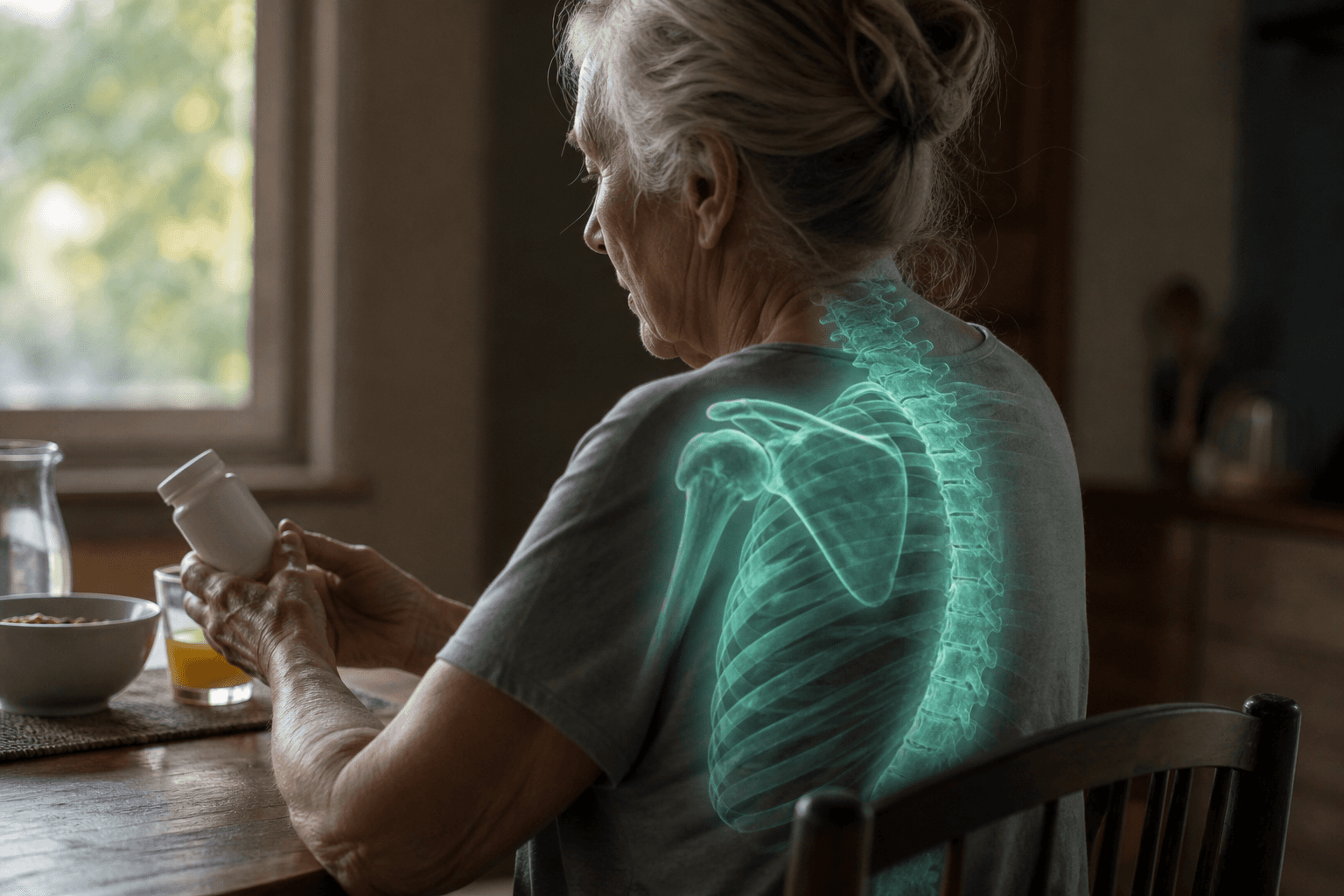
Beyond day-to-day symptoms, the years immediately surrounding menopause bring a notably accelerated phase of bone density loss — considerably faster than the gradual loss seen earlier in adulthood — making this a particularly important window for bone health attention rather than something to address only much later. Estrogen also has a protective effect on blood vessels and cholesterol profiles; as it declines, cardiovascular risk factors often shift in a less favorable direction, which is part of why cardiovascular risk in women tends to rise more noticeably after menopause than before it.
Hormone Therapy: A More Nuanced Picture Than Its Reputation Suggests
Hormone therapy's reputation was significantly shaped by a large study published in the early 2000s, whose initial headlines emphasized risk in a way that later, more detailed analysis showed was more nuanced — particularly regarding the age and time since menopause onset at which therapy was started. Current understanding generally supports what's sometimes called the "timing hypothesis": starting hormone therapy closer to the onset of menopause tends to carry a more favorable benefit-risk balance than starting it many years later. This doesn't mean hormone therapy is right for everyone, but it does mean the blanket fear many women still carry from decades-old headlines is considerably more nuanced than commonly assumed, and worth revisiting with a healthcare provider rather than ruling out by default.
Non-Hormonal Options Worth Knowing
- Certain SSRIs and SNRIs, prescribed at doses specifically studied for this purpose, have shown genuine effectiveness for hot flashes — a non-hormonal option worth knowing about, particularly for women who can't or prefer not to use hormone therapy.
- Vaginal moisturizers or low-dose local estrogen address vaginal dryness specifically, and local estrogen carries a very different, generally more favorable risk profile than systemic hormone therapy, since very little reaches the bloodstream.
- Weight-bearing exercise specifically supports bone density during the accelerated loss window described above, alongside adequate calcium and vitamin D intake.
- Cooling strategies and layered clothing, while not addressing the underlying cause, remain a practical part of day-to-day symptom management for many women.
Continue reading for free
Create a free account to keep reading — and connect with our trusted partner's licensed doctors whenever you need more than information.
Already have an account?