
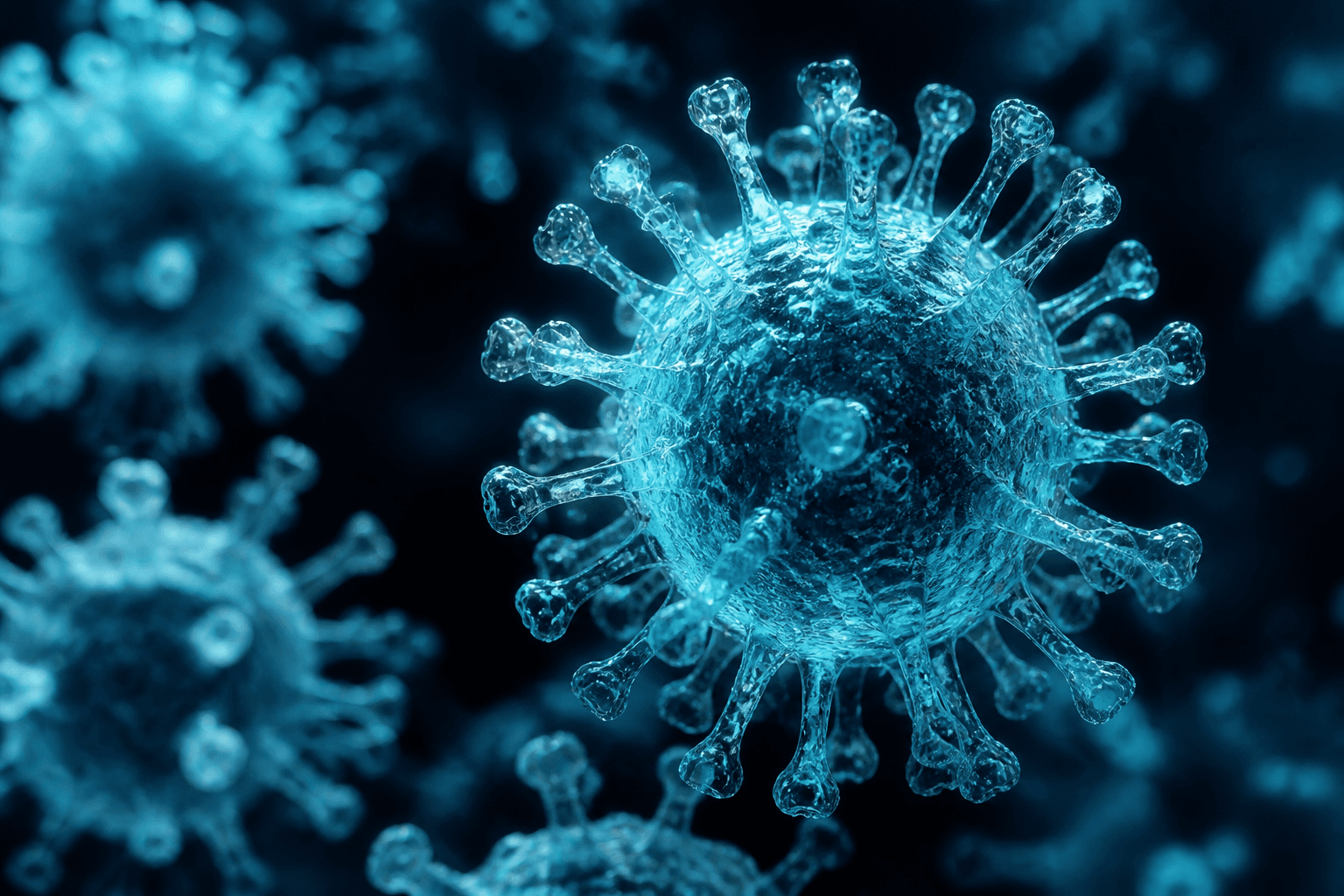
Human papillomavirus is so common that most sexually active adults will encounter it at some point, yet confusion about what it actually means for long-term health remains widespread.
Human papillomavirus, or HPV, is not a single virus but a group of more than 200 related viruses, and an estimated majority of sexually active people will acquire at least one type during their lifetime. That statistic alone tends to surprise people, largely because HPV infections are frequently silent — cleared by the immune system without ever producing a symptom. Understanding why some strains cause visible warts, why others are linked to cancer, and why the same virus can behave so differently from person to person requires looking at how HPV actually interacts with the body.
Why HPV Isn't Just One Thing
HPV strains are broadly grouped into low-risk and high-risk types based on their association with disease. Low-risk types, such as HPV-6 and HPV-11, are responsible for the majority of genital warts but are not linked to cancer. High-risk types, including HPV-16 and HPV-18, don't typically cause visible warts at all — instead, they can persistently infect cervical, anal, throat, or genital tissue and, over years, drive changes in cell growth that may eventually progress to cancer if left undetected. This is why the presence or absence of visible symptoms says very little about which type of HPV a person may be carrying.
How Transmission Actually Works
HPV spreads through skin-to-skin contact in genital areas, which means transmission can occur even without penetrative intercourse and even when an infected partner has no visible symptoms. This is part of why HPV is so widespread — visible protection methods reduce but don't eliminate transmission risk, since the virus can be present on areas of skin that aren't covered. Because most infections clear on their own within one to two years as the immune system responds, having HPV at some point is closer to a common, often self-resolving exposure than an unusual event, though this doesn't mean the risk of complications should be dismissed.
The Link Between Persistent Infection and Cancer
The concerning outcomes associated with HPV — cervical cancer being the most researched — don't arise from the infection itself but from persistence. When a high-risk strain isn't cleared and continues infecting cervical cells over years, it can gradually cause abnormal cell changes, which is why cervical cancer develops slowly and is considered one of the more preventable cancers when monitored properly. The same high-risk types are also associated with a smaller share of anal, oropharyngeal (throat and mouth), vulvar, vaginal, and penile cancers, reflecting the fact that HPV can persist wherever it establishes an infection, not only in cervical tissue.
Why Screening Remains the Best Early-Detection Tool
Because high-risk HPV rarely produces symptoms until cell changes are already underway, routine cervical screening — through Pap tests, HPV DNA testing, or a combination of both depending on age and local guidelines — is what allows abnormal changes to be caught and monitored long before they could become cancerous. Screening intervals are typically spaced several years apart specifically because the progression from persistent infection to cancer, when it happens at all, tends to unfold over a decade or more, giving ample opportunity for early intervention.
Vaccination as Primary Prevention
HPV vaccines target the strains most strongly associated with cancer and genital warts, and are generally most effective when given before any exposure to the virus has occurred, which is why vaccination is typically recommended in early adolescence. Vaccination doesn't eliminate the need for ongoing cervical screening, since current vaccines don't cover every cancer-associated HPV strain, but research has shown it substantially reduces rates of the abnormal cell changes that precede cervical cancer in vaccinated populations.
Note
Having HPV, including a high-risk strain, does not mean cancer will develop — most infections resolve on their own, and even persistent infections that go on to cause cell changes generally take years to progress, which is exactly the window that regular screening is designed to catch.
Living With an HPV Diagnosis
A diagnosis of HPV or of HPV-related cell changes on a screening test often brings disproportionate anxiety relative to actual risk, partly because the virus is so common and partly because there's no direct "cure" for the virus itself — only for the cell changes it may cause. In practice, this generally means more frequent monitoring rather than any change to daily life, and most abnormal results resolve with continued surveillance or minor, well-established procedures rather than more invasive treatment. Speaking honestly with a doctor about test results, rather than searching for reassurance online, tends to be the most effective way to put a diagnosis into proper context.