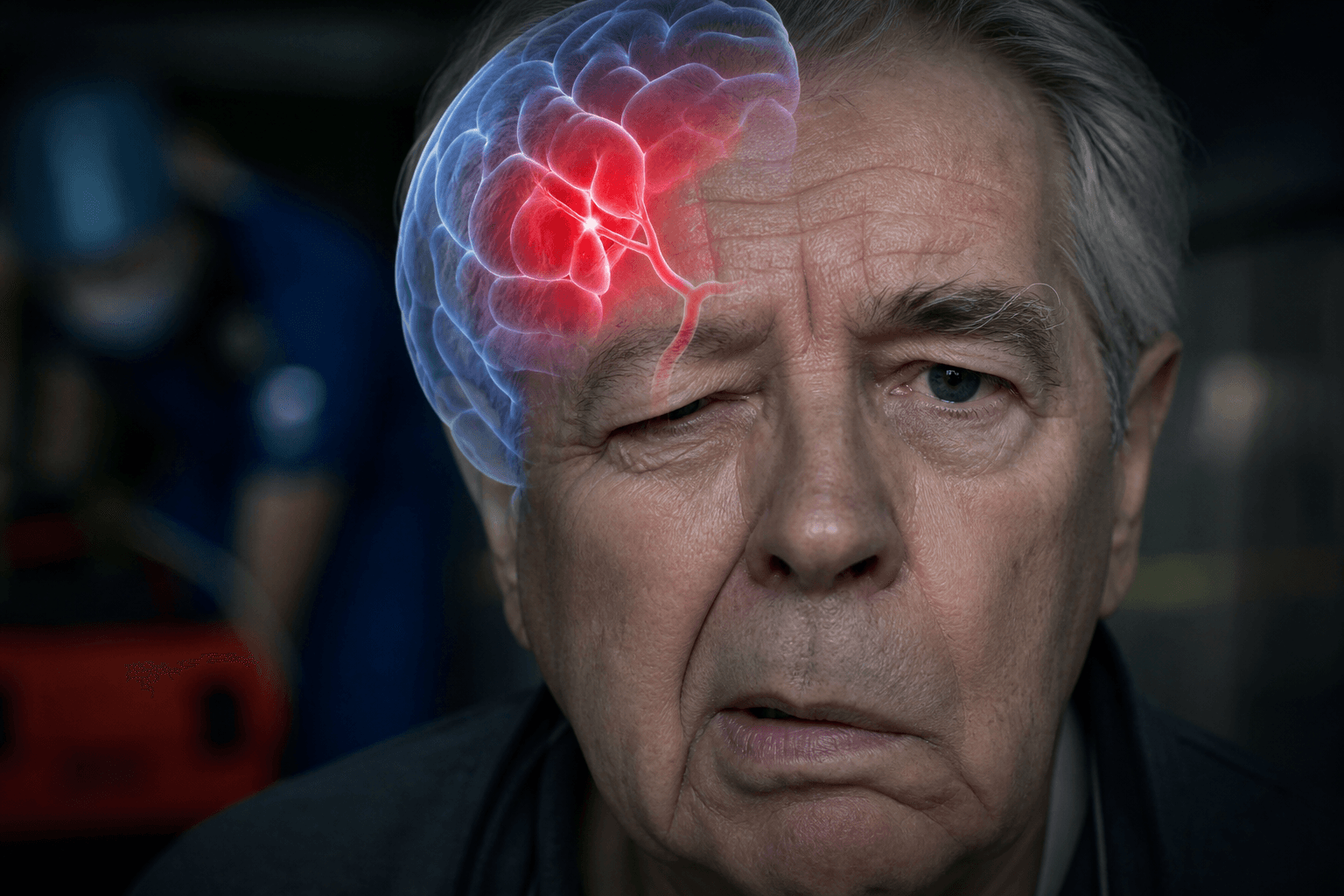
Blood vessels have almost no pain receptors sensitive to pressure changes, which is the real reason high blood pressure can cause damage for years without a single symptom. Here's what's actually happening — and why headaches usually aren't a reliable warning sign.
Most tissue that's under sustained stress eventually sends a pain signal — that's how the body usually protects itself. Blood vessels are an exception. They have very few pain receptors sensitive to gradually rising internal pressure, which is the actual physiological reason high blood pressure can quietly cause damage for years while feeling completely unremarkable.
The Body Actually Adapts to Higher Pressure Over Time
There's a second, less obvious mechanism at play: baroreceptors — the sensors in blood vessel walls that detect pressure and trigger corrective reflexes — gradually recalibrate to accept a higher pressure as the new "normal" when it rises slowly over months or years. This means the body's own alarm system essentially gets reset to a higher threshold, rather than continuing to signal that something is wrong. It's an adaptive mechanism, but in this context it works against early detection rather than for it.
The Common Symptom Myth
Headaches, dizziness, and nosebleeds are widely associated with high blood pressure in general conversation, but for most people with sustained elevated readings, none of these are reliable indicators. They typically only appear during a hypertensive crisis — a sudden, severe spike, not the gradual elevation most people actually experience. Relying on the absence of these symptoms as reassurance is one of the more common and consequential misconceptions about blood pressure.
What's Actually Happening to Blood Vessels Over Time
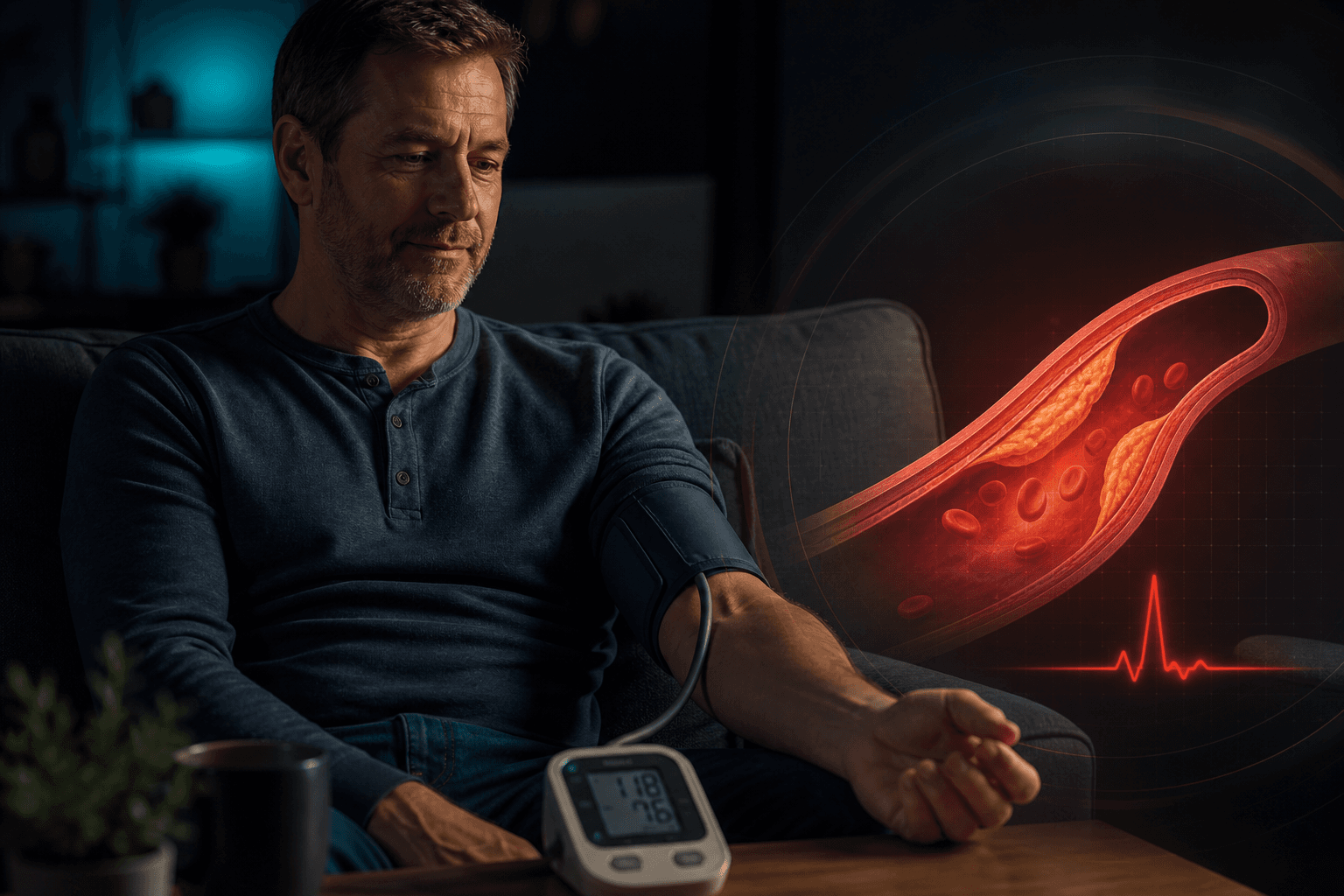
Sustained elevated pressure gradually damages the inner lining of blood vessels (the endothelium), making them stiffer and less able to expand and contract normally. This stiffening isn't limited to one area — it progressively affects the heart (which has to work harder against the resistance), the kidneys (whose delicate filtering vessels are particularly vulnerable), the eyes (via the small vessels in the retina), and the brain, where it's a leading contributor to long-term vascular risk.
Why a Single Reading Rarely Tells the Full Story
Blood pressure naturally fluctuates throughout the day, and two specific patterns can distort a single office reading: "white coat hypertension," where readings are elevated specifically in a clinical setting due to situational anxiety, and "masked hypertension," the reverse — normal readings at the doctor's office while pressure runs high the rest of the time. Both are reasons home monitoring over several days, rather than one isolated reading, gives a considerably more accurate picture.
Risk Factors Beyond Salt Intake
Sodium gets most of the attention, but several other factors matter just as much and are discussed far less:
- Obstructive sleep apnea causes repeated overnight oxygen dips that trigger blood pressure spikes, and is a frequently overlooked contributor in people who don't fit the typical risk profile.
- Chronic stress raises blood pressure through sustained cortisol and adrenaline elevation, independent of diet.
- Low potassium intake matters as much as high sodium intake in many cases, since potassium helps the kidneys excrete excess sodium — a detail that's often left out of standard advice focused only on reducing salt.
- Regular alcohol intake, even at moderate levels, has a measurable effect on blood pressure over time.
How It's Typically Managed
For many people, an initial period focuses on lifestyle changes — a diet emphasizing vegetables, whole grains, and adequate potassium (commonly modeled on the DASH approach), regular aerobic activity, reduced alcohol intake, and addressing sleep apnea if present. When lifestyle changes aren't sufficient alone, several medication classes are available — including ACE inhibitors, ARBs, calcium channel blockers, and diuretics — each working through a different mechanism, with the choice depending on individual factors like kidney function, other health conditions, and how someone responds. This decision is made and monitored by a healthcare provider rather than through self-directed treatment.
Continue reading for free
Create a free account to keep reading — and connect with our trusted partner's licensed doctors whenever you need more than information.
Already have an account?