
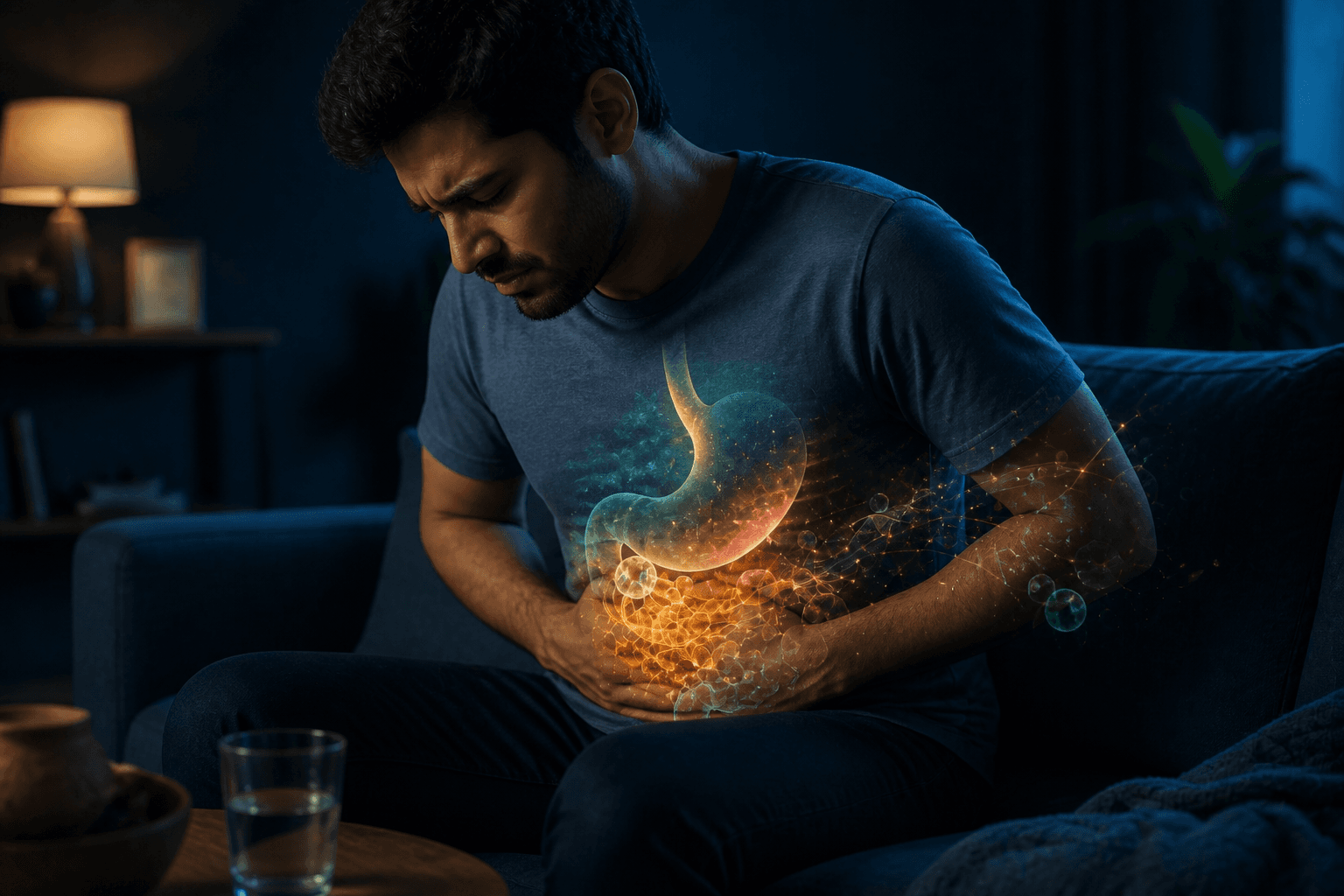
Not every stomach bug is the same, and a few pieces of common advice around them — the BRAT diet, sports drinks for rehydration — are more outdated than most people realize. Here's what actually distinguishes the causes and speeds up recovery.
"Stomach bug" is used as a catch-all term, but gastrointestinal infections fall into a few genuinely distinct categories — viral, bacterial, and parasitic — each with different typical causes, different courses, and, in a couple of specific cases, different treatment considerations worth understanding rather than assuming one approach fits all of them.
Clues That Help Distinguish the Likely Cause
- Incubation period varies meaningfully: some toxin-mediated bacterial causes (like certain staphylococcus food poisoning) can cause symptoms within just a few hours of eating contaminated food, most viral causes take one to three days, and parasitic infections often take one to two weeks or longer to produce symptoms.
- High fever and blood in the stool point more toward a bacterial cause than a typical viral one, which is a meaningful clue worth mentioning specifically to a healthcare provider if present.
- Duration also differs — viral gastroenteritis is usually the shortest, typically resolving within a few days, while certain bacterial and parasitic infections can last longer without specific treatment.
Viral Gastroenteritis
Norovirus and rotavirus are the most common viral causes, both highly contagious and spread easily through contaminated surfaces, food, or close contact. These infections are generally self-limited, meaning they resolve on their own with supportive care (rehydration and rest) rather than requiring targeted medication, typically within a few days.
Bacterial Causes, Often Traced to Specific Foods
Salmonella, campylobacter, and certain strains of E. coli are common bacterial causes, frequently linked to a specific contaminated food source (undercooked poultry, unwashed produce, unpasteurized products). These infections can be more severe than typical viral cases and occasionally require antibiotics, though many resolve without them. One important and specific exception is worth knowing: for certain shiga toxin-producing E. coli strains (including the well-known O157:H7), antibiotics can actually worsen a rare but serious complication called hemolytic uremic syndrome, which is exactly why identifying the specific bacterial cause matters before deciding on antibiotic treatment, rather than treating all bacterial-appearing cases the same way.
Parasitic Causes
Giardia is a common parasitic cause, frequently linked to contaminated water (including, in some cases, water from natural sources during outdoor activities) and typically producing a longer-lasting course than viral or most bacterial causes. Unlike most viral gastroenteritis, parasitic infections often require a specific antiparasitic medication to fully resolve rather than clearing on their own.
The Outdated BRAT Diet Advice
The BRAT diet (bananas, rice, applesauce, toast) was long recommended during recovery, but current guidance has moved away from it. Extended restriction to these bland, low-nutrient foods isn't necessary for most people and may actually slow recovery by limiting nutrition during a time the body needs it. Current recommendations generally favor returning to a normal, well-tolerated diet as soon as reasonably possible, rather than prolonged restriction to a narrow set of foods.
Why Plain Water or Sports Drinks Aren't Ideal for Rehydration
Oral rehydration solutions are specifically formulated around a particular ratio of glucose and sodium that takes advantage of a specific transport mechanism in the intestinal lining — glucose and sodium are absorbed together more efficiently than either alone, which pulls water into the body along with them. Plain water lacks the electrolytes needed to support this mechanism efficiently, and common sports drinks, while better than water alone, typically have a sugar-to-electrolyte ratio that isn't optimized for this specific purpose during acute illness. Proper oral rehydration solutions, available over the counter, are formulated specifically around this glucose-sodium co-transport mechanism, making them meaningfully more effective for rehydration during an active gastrointestinal illness.
Post-Infectious IBS: A Lesser-Known Long-Term Effect
For a meaningful proportion of people, bowel symptoms — altered bowel habits, bloating, discomfort — can persist for months after the original infection has cleared, a phenomenon known as post-infectious irritable bowel syndrome. It's thought to relate to lasting changes in gut motility and the gut's bacterial population following the acute infection, and it's a genuinely underdiscussed possibility worth being aware of if symptoms linger well beyond the expected recovery window for the original infection.
Continue reading for free
Create a free account to keep reading — and connect with our trusted partner's licensed doctors whenever you need more than information.
Already have an account?