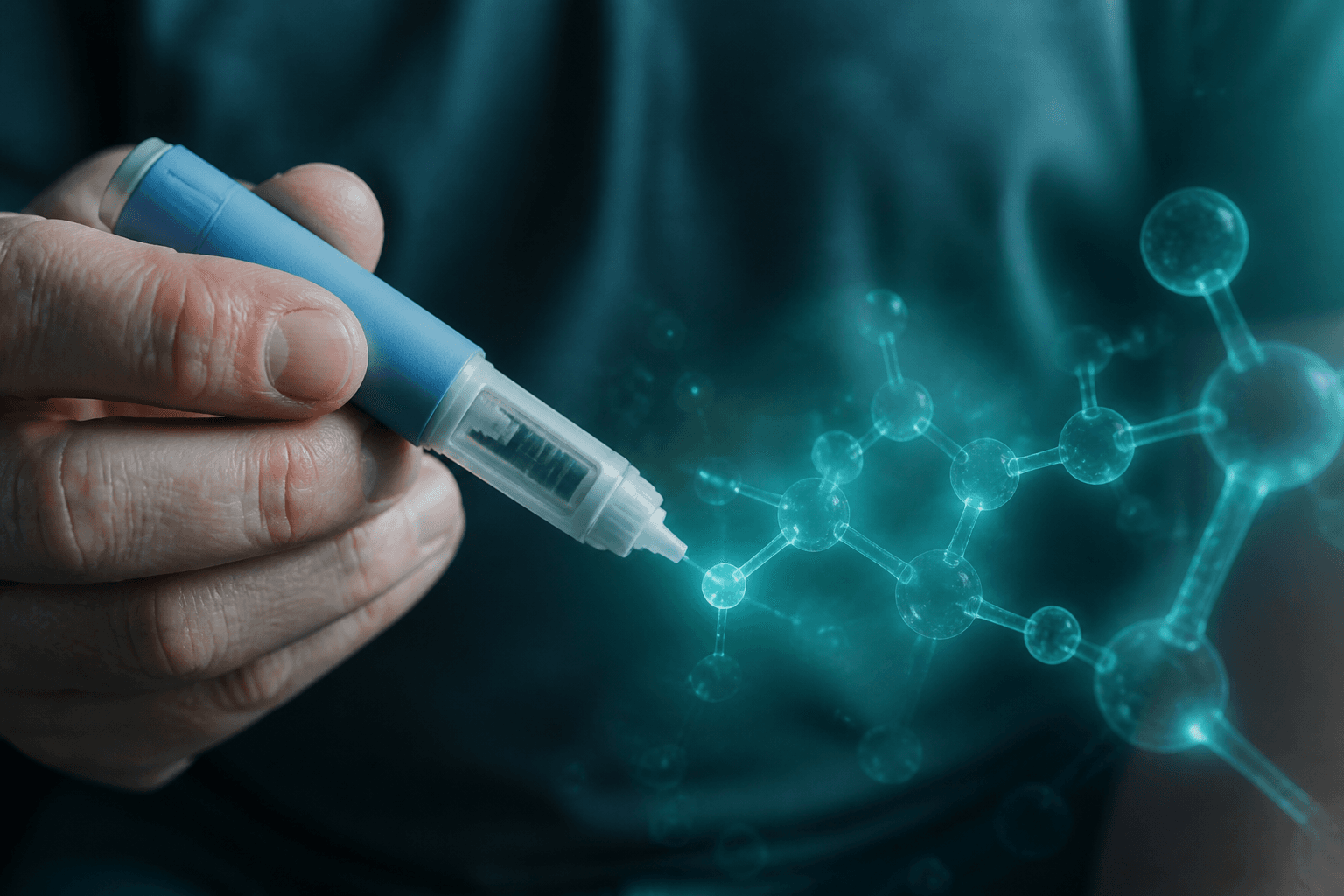
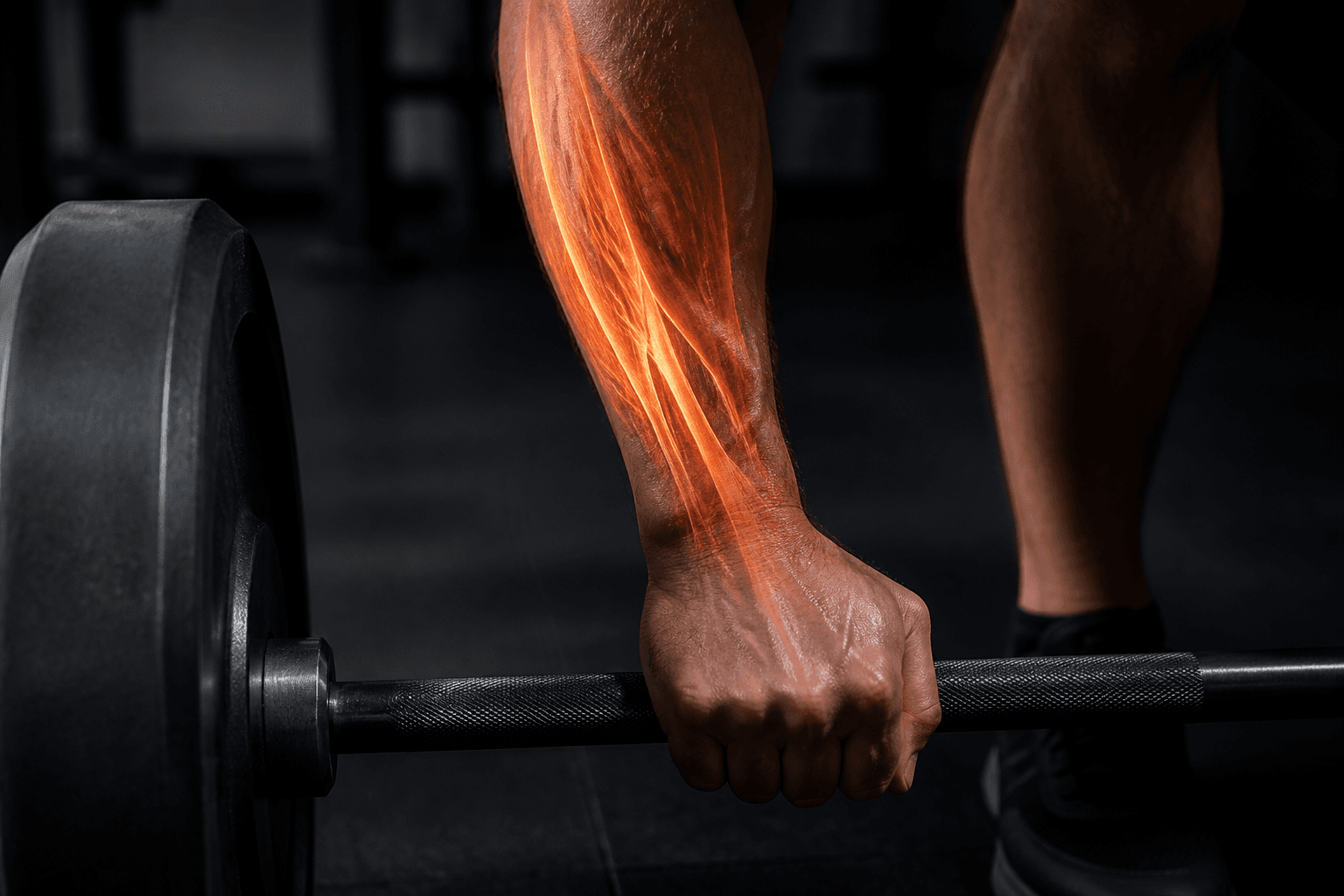
Creatine is one of the most extensively studied supplements in sports medicine, yet myths about kidney damage and water weight still overshadow what decades of research actually show.
Few supplements have been studied as extensively, or misunderstood as persistently, as creatine. Despite decades of research and a safety profile that's unusually well documented compared to most sports supplements, it still carries a reputation in casual conversation for damaging kidneys, causing excessive water retention, or being "just for bodybuilders." A closer look at how it actually works in the body explains both why it's genuinely effective for certain goals and why several of the common concerns don't hold up against the available evidence.
How Creatine Actually Fuels Muscle Contraction
Creatine is stored in muscle tissue primarily as phosphocreatine, which serves as a rapid-access energy reserve for regenerating ATP — the molecule cells use as their immediate energy currency — during short bursts of high-intensity effort. During activities lasting roughly ten to fifteen seconds, such as a heavy lift or a sprint, phosphocreatine stores are the body's fastest-available energy system, faster than the metabolic pathways that break down carbohydrates or fat. By increasing the muscle's phosphocreatine reserves, supplemental creatine effectively extends how long that rapid-energy system can support near-maximal effort, which is the core mechanism behind its benefits for strength and power-based performance.
What the Evidence Actually Supports
Across a large body of research, creatine supplementation is consistently associated with modest but measurable improvements in strength, power output, and lean muscle mass gains when combined with resistance training, generally outperforming training alone in controlled studies. Some research also points to potential benefits in high-intensity, intermittent sports involving repeated short bursts of effort, such as sprinting or certain team sports, though the effect size tends to be more pronounced for strength training than for sustained endurance activities, where the phosphocreatine system plays a comparatively smaller role.
Emerging Research Beyond the Gym
Beyond athletic performance, creatine has become an active area of research in other contexts, including some studies exploring potential roles in cognitive function, particularly in situations involving sleep deprivation or high mental demand, and in certain neurological and muscle-wasting conditions. This research is genuinely promising but considerably less mature than the strength-training evidence, and it shouldn't be conflated with the well-established performance benefits — a doctor is best placed to advise on off-label interest for reasons other than exercise performance.
Addressing the Kidney Damage Myth
The concern about kidney damage largely traces back to the fact that creatine supplementation increases creatinine, a routine marker used to estimate kidney function on blood tests, leading to understandable confusion between "a marker used to estimate kidney function is elevated" and "the kidneys are being damaged." In people with normal, healthy kidney function, controlled studies — including some tracking kidney markers over extended supplementation periods — have not demonstrated impaired kidney function from typical creatine doses. People with pre-existing kidney disease, however, represent a genuinely different situation, and should not begin creatine supplementation without first discussing it with a doctor, since the research in that specific population is more limited.
Water Retention: Real, But Often Misunderstood
Creatine does draw water into muscle cells, which is a genuine and expected part of how it works — increased intracellular water is part of what supports the cellular signaling associated with muscle growth over time, rather than being a purely cosmetic side effect. This can cause a small, noticeable increase in body weight in the first one to two weeks, particularly with a loading protocol, but this is intracellular water within muscle tissue rather than the kind of bloating or subcutaneous water retention people often assume it to be, and it typically stabilizes rather than continuing to increase indefinitely.
Practical Considerations for Use
Note
A "loading phase" (a higher dose for five to seven days followed by a lower daily maintenance dose) saturates muscle creatine stores faster, but a lower daily dose taken consistently over three to four weeks reaches essentially the same saturation point without the loading phase.
Creatine monohydrate remains the most extensively studied and most cost-effective form; more expensive alternative forms have not consistently demonstrated superior results in comparative research.
Adequate hydration is generally recommended alongside creatine use, given its effect on intracellular water balance, though the common claim that it causes dehydration or cramping has not been well supported in controlled research and appears to be another persistent myth rather than an established risk.
Who Should Be Cautious or Check With a Doctor First
Continue reading for free
Create a free account to keep reading — and connect with our trusted partner's licensed doctors whenever you need more than information.
Already have an account?